18 November 2026
/8 min read
What Is Reverse Logistics and Why Is It Growing in India?
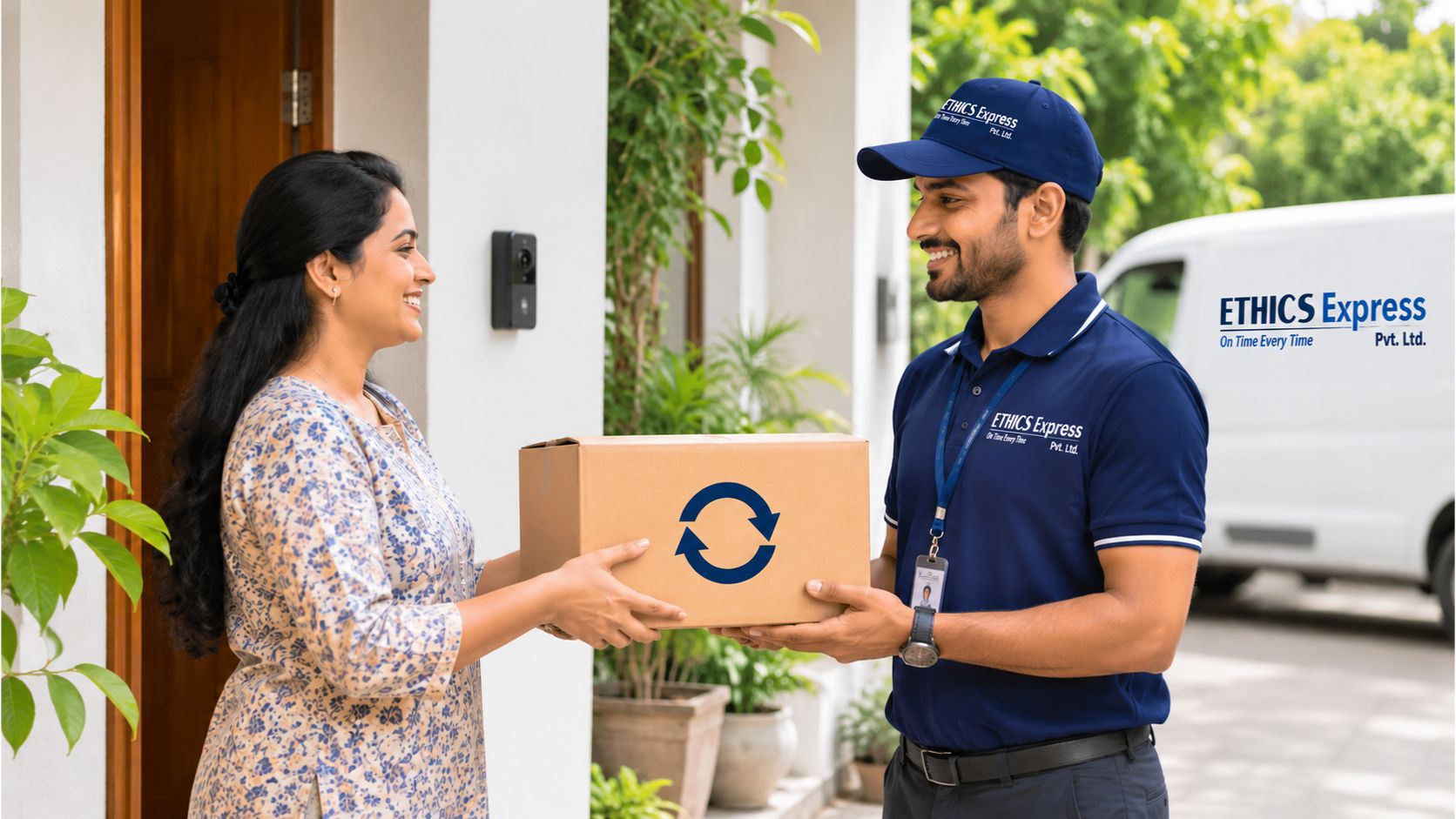
Most businesses design their logistics for one direction: from the warehouse to the customer. Then the first festive sale arrives, returns pile up at the dock, and nobody owns the problem.
Reverse logistics is the other half of the journey, and in India it is growing fast. Returns, recalls, refurbishment and recycling now affect margin, inventory accuracy and customer trust far more than they did a few years ago.
This guide explains what reverse logistics is, how the process works step by step, why it is growing in India, and how to build a strategy that recovers value rather than just absorbing cost. It is written for operations heads, supply chain managers and finance leads. Reverse flows rarely follow a single path, and most Indian shippers move them across rail, air and surface logistics depending on value, urgency and distance.
What Is Reverse Logistics?
Reverse logistics is the process of moving goods backward through the supply chain, from the customer or field back to the seller or manufacturer, for return, repair, refurbishment, resale, recycling or disposal.
It covers customer returns, damaged or wrong deliveries, warranty repairs, expired or recalled stock, unsold inventory from distributors and end-of-life products.
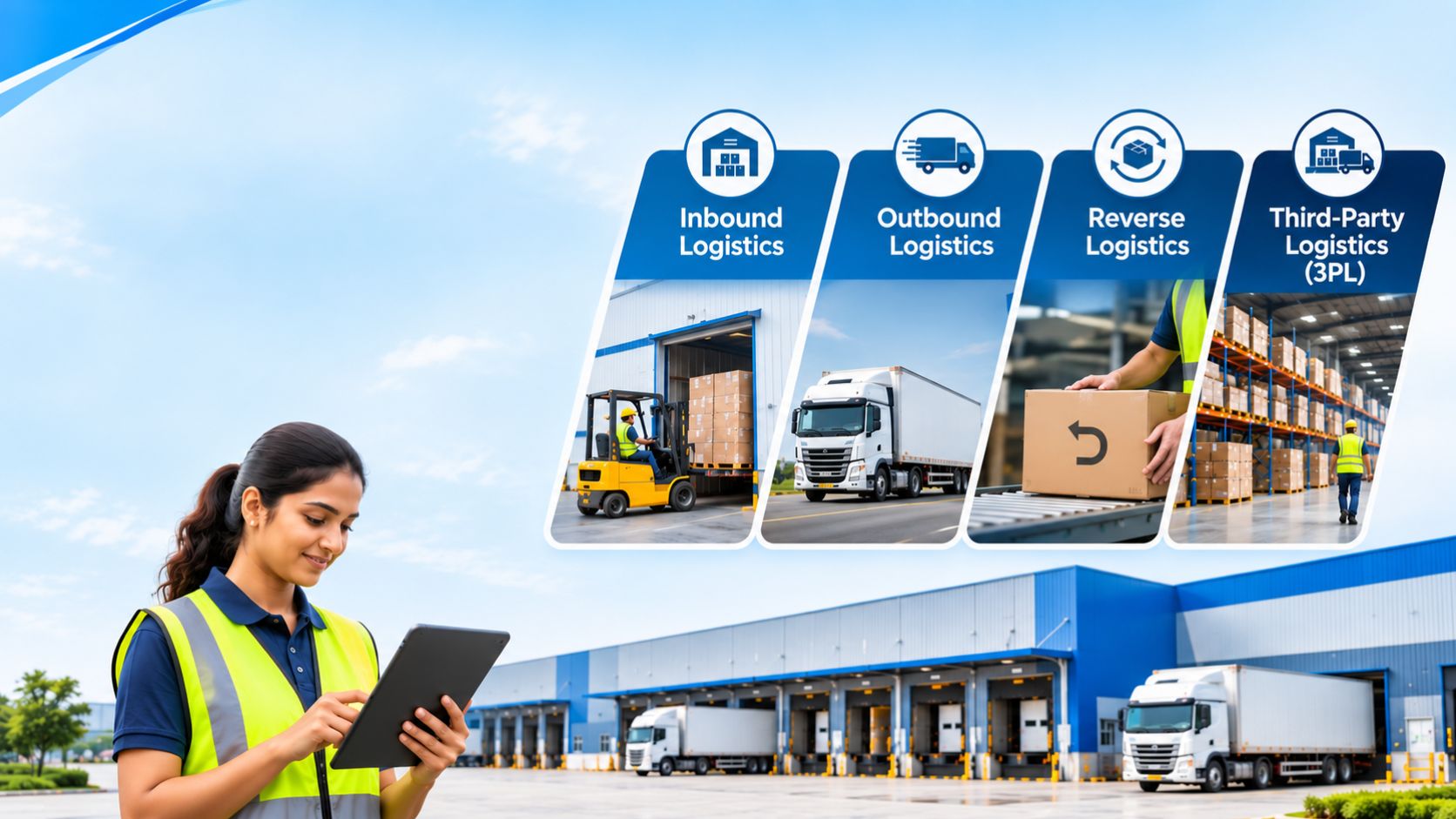
It is one of the core Types of Logistics, alongside inbound, outbound and third-party logistics. The difference is that its flow is unpredictable. You do not choose when a return arrives, in what condition, or where from.
The Reverse Logistics Process: Step by Step
Return initiation. The customer raises a request, and the seller validates it against policy, often with a return authorisation number.
Pickup or collection. For business customers, collecting a return is effectively door to door delivery in reverse. It needs scheduling, tracking and a clear condition check at handover to avoid disputes.
Transport and consolidation. Returns from many locations are brought to a regional hub. Once volumes are steady, consolidated movement to a central processing site on ftl logistics usually costs less per unit than many small, part-loaded runs.
Receiving and inspection. Each item is checked and graded: sellable, repairable, refurbishable, or scrap.
Disposition. A rule-based decision is made on what happens next.
Restocking and settlement. Stock records are updated through disciplined inventory management, and the credit note or refund is issued.
Grade | Typical action | Financial outcome |
| Like new | Restock | Full value recovered |
| Minor defect | Repair or refurbish | Partial value recovered |
| Not resalable | Liquidate or return to vendor | Salvage value |
| Expired, recalled or hazardous | Controlled disposal or recycling | Loss, with compliance documented |
The financial lesson is simple: the faster an item is graded, the more of its value you recover.
Why Is Reverse Logistics Growing in India?
E-commerce and easy return policies. Online sales have normalised free returns, and cash-on-delivery adds refusals and rejections to the mix. Festive peaks multiply the volume.
Geographic expansion. As brands sell into smaller cities, last mile delivery becomes harder, and so does collecting returns. Failed deliveries and refused parcels also flow back through the same network.
Regulation and sustainability. Extended Producer Responsibility (EPR) requirements, including those under India's e-waste, battery waste and plastic waste rules, push producers to collect and process end-of-life products. Consumer protection rules also shape how returns and refunds must be handled. Businesses should check the current rules that apply to their category.
Recalls and expiry management. Pharma, FMCG and electronics companies need traceable systems to pull stock back quickly.
Channel stock rotation. B2B distributors increasingly return slow-moving or near-expiry stock, which must be processed efficiently.
These pressures reflect a broader point about the Importance of Logistics: the business that handles the return well keeps the customer, while the one that handles it badly often loses both the product and the buyer.
Key Benefits of Reverse Logistics for Indian Businesses
Value recovery. Refurbishing, reselling or returning stock to vendors converts potential write-offs into revenue.
Margin protection. Faster processing reduces markdowns on aged stock.
Customer retention. Clear, quick returns increase repeat purchases, especially in B2B.
Faster replacements. For critical spares or high-value items, Air to Air Services connect airports directly and can speed up replacement, while the faulty unit comes back through slower, cheaper channels.
Compliance readiness. Documented recalls and EPR-aligned processes lower regulatory risk.
Product insight. Return reasons reveal quality, packaging and listing problems that can be fixed upstream.
Major Challenges in India and How to Solve Them
Challenge | How to solve it |
| High cost of moving small, scattered returns | Consolidate at regional hubs and set minimum thresholds for pickups. Reserve air cargo logistics for high-value, time-critical exceptions only. |
| Weak address and pickup reliability in smaller cities | Use pickup slots, confirmation messages and local collection points. |
| Slow inspection and grading | Standardise grading rules, train inspectors and use photo evidence at pickup. |
| Return fraud and wrong-item returns | Use tamper-evident packaging, serial-number checks and condition checks at collection. |
| Poor visibility across systems | Integrate return status with your order and warehouse systems so finance sees pending credits. |
| Limited in-house capability or capital | Outsource grading, repair or hub operations to 3PL and 4PL providers, with clear service levels. |
| Documentation errors | Ensure correct invoices, credit notes and e-way bills for return movement where applicable. |
How to Build an Effective Reverse Logistics Strategy
1. Decide who owns it. Reverse logistics sits between operations, customer service, finance and planning. Understanding how this connects to the wider picture, as explained in our guide to Logistics Vs Supply Chain Management, helps assign clear ownership.
2. Write disposition rules. Define in advance what happens to each grade of return, so decisions are fast and consistent.
3. Build regional return hubs. Locating hubs closer to customers shortens return transit and speeds up inspection.
4. Match mode to value and urgency. For planned, non-urgent bulk returns over long distances, a Rail parcel service can lower the cost per kg compared with road, provided the longer transit is acceptable. Use road for flexibility and short distances.
5. Measure what matters. Track return processing time, recovery rate, cost per return, share restocked, and refund or credit note cycle time.
6. Pilot and then scale. Test one category or region first. When selecting partners, our guide to the top 10 logistics company in India explains what each is known for and where it tends to fit.
Conclusion
Reverse logistics is no longer a side activity. It affects margin, inventory accuracy, compliance and customer trust, and its importance in India will keep growing as returns, recalls and recycling obligations increase.
Start with clear disposition rules, process returns quickly, and measure recovery rather than just cost. If you would like an outside view on how your returns and forward freight fit together, Ethics Express can review your lanes across road, rail and air and suggest where cost and speed can improve.
Popular Articles
Share
Next: Importance of Logistics in Business Growth: How Smart Logistics Drives Profit and Scale (2026 Guide)