16 November 2026
/10 min read
Importance of Logistics in Business Growth: How Smart Logistics Drives Profit and Scale (2026 Guide)
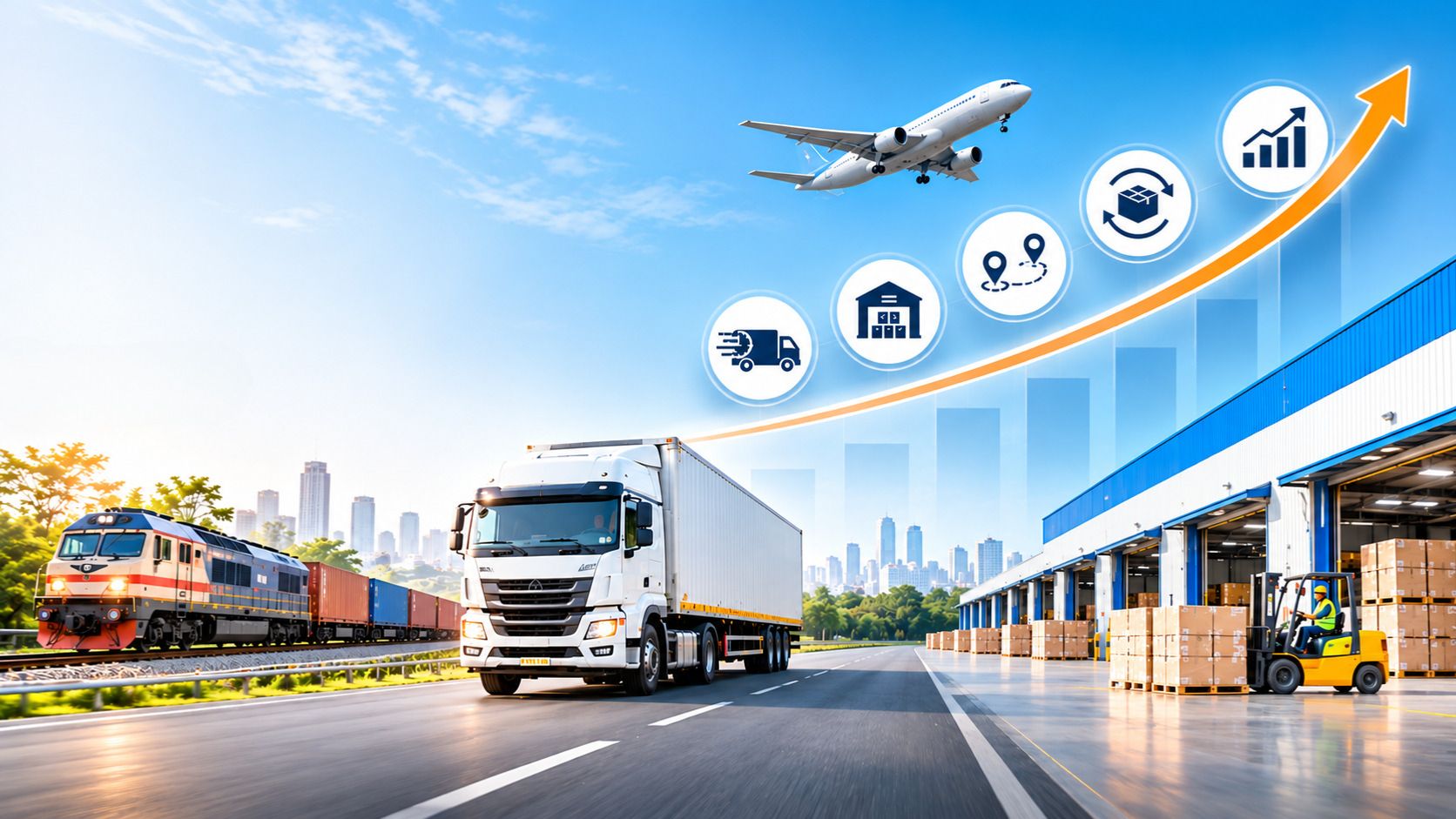
Many growing businesses treat logistics as a cost to be squeezed. Get three quotes, take the lowest, move on. Then growth arrives, and the cracks show: late deliveries, stock in the wrong city, damage claims that drag on, and cash stuck in transit.
The importance of logistics becomes obvious at exactly that point. It is not a back-office function. It decides how fast you can serve customers, how much capital sits in inventory and how confidently you can enter new markets.
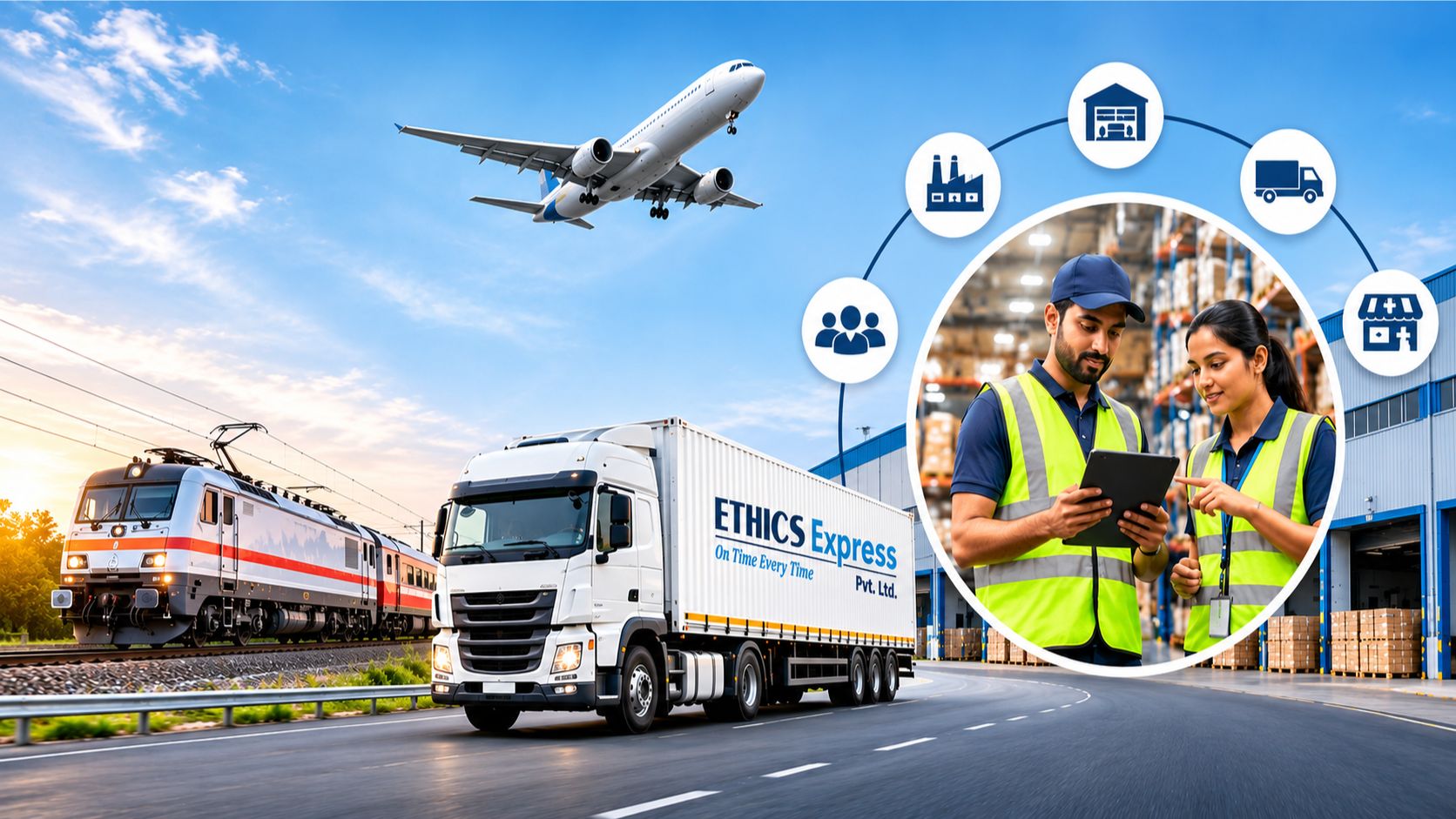
This guide explains how logistics drives growth, which metrics it moves, how it plays out in e-commerce, manufacturing and small business, and what to do first. It is written for founders, operations heads and finance leads. Most Indian shippers already depend on rail, air and surface logistics together, so the aim is to run them as a deliberate system rather than a collection of bookings.
What Is Logistics and Why Does It Matter for Business?
Logistics is the planning, execution and control of how goods are moved and stored, along with the related information, from origin to the customer.
It covers transportation, warehousing, packaging, order processing and delivery. It matters because every product you sell has to physically reach a buyer, in good condition, on time and at a cost that leaves margin.
Logistics is one component of a broader planning discipline, explained in our guide to Logistics Vs Supply Chain Management. Planning decides what to make, buy and stock. Logistics makes sure it arrives.
7 Ways Logistics Drives Business Growth
1. It lowers total cost, not just freight rates
The cheapest rate is rarely the cheapest option. Claims, detention, delays and emergency shipping add up. Moving from fragmented part loads to ftl logistics on stable, high-volume lanes, for instance, can cut handling points and damage while giving predictable transit. The right lane-level decision beats a blanket discount.
2. It improves customer experience
In B2B, customers judge you on whether goods arrive when promised. Reliable door to door delivery, accurate ETAs and clean proof of delivery reduce disputes and support repeat orders.
3. It frees up working capital
Slow or unreliable transit forces higher safety stock. Better inventory management, supported by dependable logistics, lets you hold less buffer and release cash. A consignment worth ₹50 lakh that spends three extra days in transit carries three extra days of financing cost and delays invoicing.
4. It opens new markets
Growth increasingly comes from Tier 2 and Tier 3 cities, where address quality, delivery density and cold chain gaps make last mile delivery harder. A business with dependable regional reach can enter these markets while competitors hesitate.
5. It builds resilience
Single-lane or single-vendor dependence is a hidden risk. Backup carriers, alternate modes and clear liability terms protect revenue. For urgent exceptions, such as a stock-out of a fast-moving item, air cargo logistics is worth its premium when the cost of a missed sale is higher.
6. It supports scale without fixed-cost burden
Seasonal peaks are expensive to serve with owned fleets. Working with 3PL and 4PL providers converts fixed cost into variable cost and adds capacity quickly, though exit terms and dependency need careful contracts.
7. It creates a data advantage
Every shipment generates data: transit times, delays, damage, cost per kg. Businesses that track it can negotiate better, plan better and spot problems early.
Logistics Impact on Key Business Metrics
Business metric | How logistics affects it |
| Gross margin | Freight and claims directly reduce margin. |
| Freight cost as % of sales | The clearest link between logistics and profit. |
| Inventory days | Reliable transit allows lower safety stock. |
| Cash-to-cash cycle | Proof-of-delivery speed affects invoicing and collections. |
| OTIF | On-time, in-full delivery drives customer satisfaction. |
| Customer retention | Repeated failures push buyers to alternatives. |
| Order cycle time | Shorter cycles improve responsiveness and sales. |
Finance leads should track these together. A small saving in freight can be wiped out by a larger rise in inventory days or claims.
Role of Logistics in E-commerce, Manufacturing and Small Business
E-commerce. Delivery speed and returns handling shape conversion and repeat purchase. For urgent or premium orders, Air to Air Services connect airports directly and suit time-critical consignments, while bulk inventory transfers can move on cheaper modes.
Manufacturing. Inbound reliability keeps production running, and outbound reliability keeps dealers stocked. For planned replenishment between major hubs, a Delhi to Mumbai Rail parcel service can lower cost per kg compared with road, provided the longer transit window is acceptable.
Small business. Smaller shippers rarely have negotiating power or tracking tools of their own. A single reliable lane, clear terms and basic tracking often deliver more benefit than chasing the lowest rate across many vendors.
How Technology and Government Policy Are Boosting Logistics Growth
Policy is pushing the industry toward efficiency. The National Logistics Policy (2022) and PM Gati Shakti aim to reduce logistics cost and improve coordination across transport modes. The Unified Logistics Interface Platform (ULIP) is designed to link data across systems. Dedicated freight corridors are improving long-haul rail capacity, and GST with e-way bills has made movement more traceable.
On the technology side, buyers now expect milestone tracking, reliable ETAs and digital proof of delivery as standard. AI-assisted route and mode planning, control-tower dashboards and warehouse automation are becoming more common. Cleaner fleets are spreading first in urban and short-haul work.
For shippers, the practical message is simple: partners with digital visibility and policy-aligned documentation are easier to plan around and easier to audit.
Practical Steps to Strengthen Your Logistics for Growth
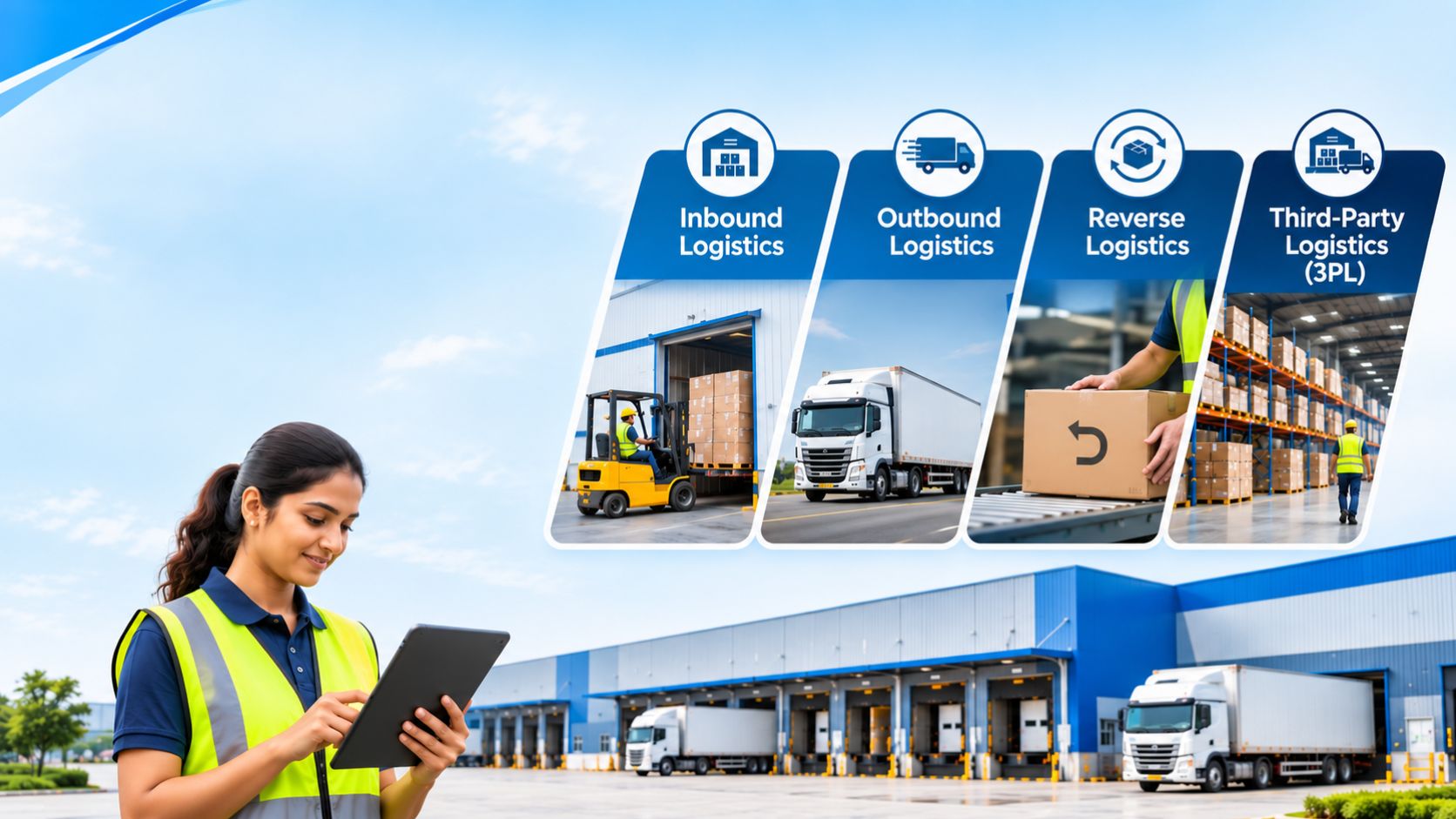
Map your flows. Break your activity into inbound, outbound and reverse movements. Our guide to the Types of Logistics explains how each differs and where costs sit.
Baseline your numbers. Track freight cost as a percentage of sales, inventory days, OTIF, damage rate and proof-of-delivery turnaround.
Match mode to lane. Use road for flexibility, rail for planned bulk volume, and air for genuine urgency. Compare total landed cost, not just freight rate.
Diversify carefully. Keep a qualified backup on critical lanes.
Pilot before you commit. Test a new provider on one lane for four to six weeks. When shortlisting, our guide to the top 10 logistics companies in India explains what each is known for.
Digitise tracking and proof of delivery. Faster documentation speeds invoicing and reduces disputes.
Review quarterly. Re-check lane costs, KPIs and carrier performance as volumes change.
Conclusion
The importance of logistics in business growth comes down to three things: it protects margin, releases cash and earns customer trust. Treat it as a system you measure and improve, not a line item you negotiate once a year.
If you want a practical outside view of your current freight setup, Ethics Express can review your lanes across road, rail and air and suggest where cost and service can improve.