08 June 2026
/5 min read
FTL vs PTL: How to Choose the Right Trucking Model for Your Freight Volume
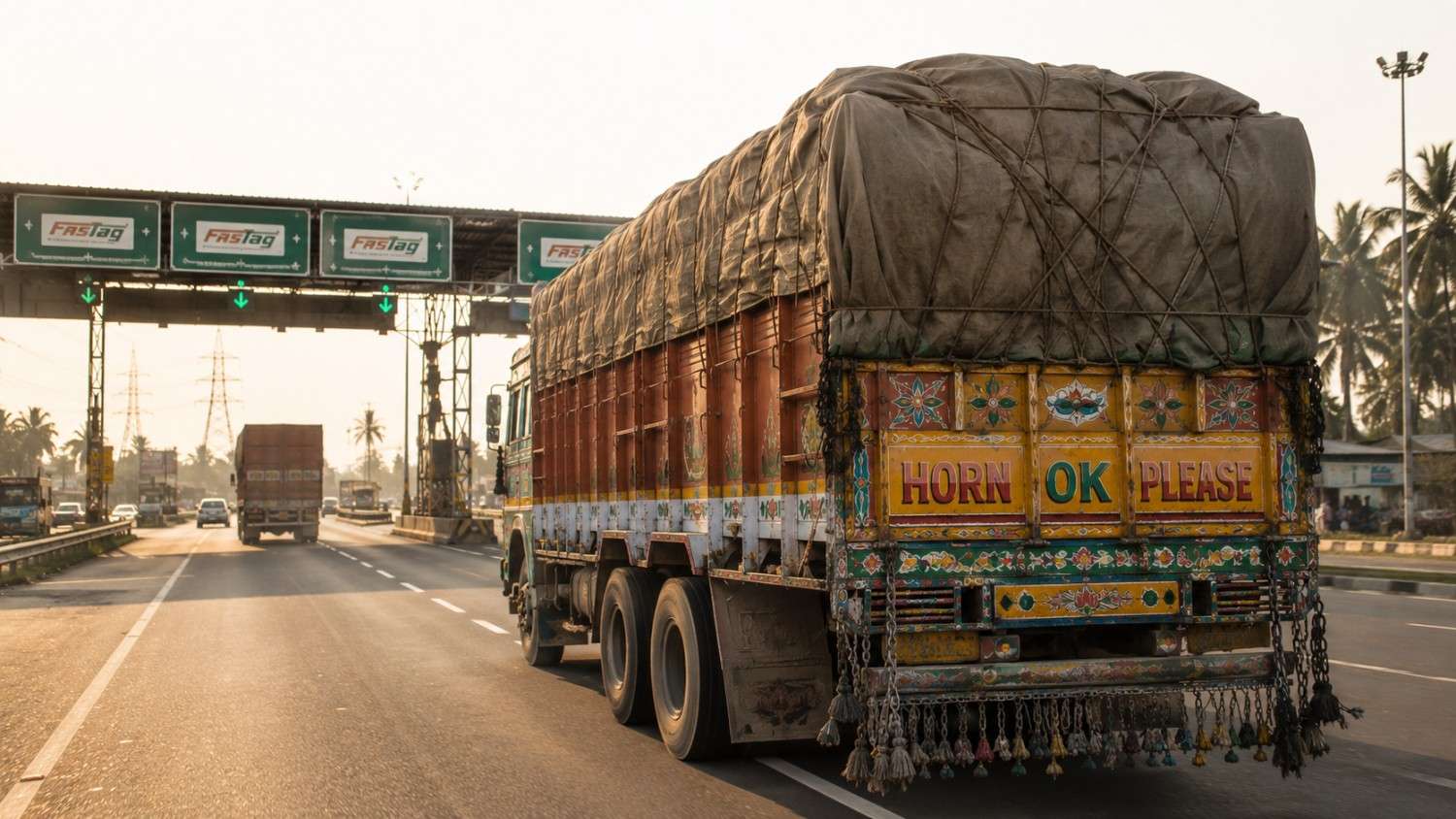
Every business that ships goods on Indian roads runs into the same fork in the road sooner or later: do you book a whole truck, or pay for just a slice of one? On the surface it looks like a small operational call. It isn't. The model you pick quietly decides how much you spend on freight, how fast your goods arrive, and how likely they are to show up in one piece.
The short version is this. FTL, or Full Truck Load, gives you the entire truck for your shipment alone. PTL, or Part Truck Load, lets your cargo share the truck with other shippers, and you pay only for the room you take up. FTL tends to win when the load is large, urgent, or fragile and headed to a single destination. PTL usually makes more sense when the consignment is smaller and you care more about cost than about shaving off a day in transit. The rest of this guide unpacks why, and gives you a simple way to decide.
What Full Truck Load (FTL) actually means
With FTL, one truck is reserved entirely for your goods. Whether you fill it to the roof or leave a third of it empty, the vehicle is yours and the bill is for the trip, not the tonnage.
Because nobody else's cargo is on board, an FTL shipment usually runs straight from pickup to delivery with no stops to drop or collect along the way. That directness is the whole point. Fewer hands touch your goods, so there's less chance of damage, and the truck isn't detouring through a hub, so it gets there faster. For high-value, fragile, or time-sensitive loads, that peace of mind is often worth paying for.
What Part Truck Load (PTL) actually means
PTL is closer to carpooling. Your shipment travels alongside goods from other businesses, and you're charged for the space or weight you occupy rather than the full vehicle. To make that economical, carriers run a hub-and-spoke network: shipments are pooled at a hub, moved together on the long leg, then split out for final delivery.
You'll often see "LTL" used in the same breath. Less than Truck Load describes the same shared-space idea, and in India the two terms get used more or less interchangeably. Some carriers reserve LTL for the smallest parcel-sized shipments and PTL for mid-sized loads, but for most shippers they belong to the same family. The appeal of PTL is straightforward: if you don't have enough cargo to fill a truck, you shouldn't have to pay for the empty space, and PTL lets smaller businesses tap professional trucking networks without truckload-sized volumes.
The differences side by side
| Factor | FTL (Full Truck Load) | PTL (Part Truck Load) |
|---|---|---|
| Load size | Large; fills or nearly fills a truck | Small to medium; a few pallets |
| Pricing | Per trip / per vehicle | Per space or weight used |
| Transit time | Faster, direct | Slower, with consolidation stops |
| Handling | Minimal | Multiple loadings and unloadings |
| Damage risk | Lower | Slightly higher |
| Best suited to | Bulk, urgent, fragile, high-value cargo | Cost-sensitive, smaller, flexible loads |
How to decide between them
Rather than going with whatever you booked last time, run the shipment through a few honest questions.
Start with size. If the load fills most of a truck, FTL is usually the cleaner choice. If it's a handful of pallets, PTL will almost always cost less. Then think about time. A hard deadline tilts you toward FTL, because direct movement is more predictable than a route with consolidation stops built in. Fragility and value matter next. Sensitive or expensive goods are safer when fewer people handle them, which again points to FTL. After that, look at where it's going. A single drop favours a dedicated truck; several smaller drops often favour the shared model. Finally, weigh frequency. Steady, recurring volume can justify locking in dedicated capacity, while occasional shipments suit PTL's pay-for-what-you-use approach.
A useful rule of thumb: the more your load looks like "big, urgent, fragile, one destination," the more FTL earns its cost. The more it looks like "small, flexible, price-first," the more PTL wins. And remember that the real comparison isn't the quoted rate. It's the total landed cost once you account for speed, handling, and the risk of something going wrong.
Where businesses get it wrong
A few mistakes come up again and again. The most common is booking a full truck out of habit and sending it off half-empty, which quietly eats into margin that a PTL booking would have protected. The flip side is choosing PTL on price alone and putting fragile goods through more handling than they can take. Plenty of shippers also forget that PTL delivery windows are wider by design, which can hurt a tight supply chain. And the big one underneath all of these: comparing freight rates instead of landed cost. A single delay, a damaged pallet, or a failed delivery can wipe out whatever the "cheaper" option saved you.
The bigger picture in India
This decision sits inside a freight system that has changed a lot in a short time. India's logistics costs have come down to roughly 8 percent of GDP, from the 13 to 14 percent figure quoted for years, helped along by GST, FASTag, e-way bills, and the infrastructure build-out under PM Gati Shakti.
Even so, the country still leans heavily on its roads. Around 60 to 65 percent of freight moves by road, while rail handles only about 27 to 28 percent. On a cost-per-tonne-kilometre basis, road works out to roughly 2.5 to 3 rupees against 1.5 to 1.8 by rail. For long-haul or bulk movement, that gap is worth a second look. Sometimes the smartest answer to "FTL or PTL" on a long corridor is to let rail or a multimodal mix carry the heavy middle stretch and use road for the first and last legs. FTL versus PTL is the right question for most road shipments, but it isn't always the only question.
How Ethics Express fits in
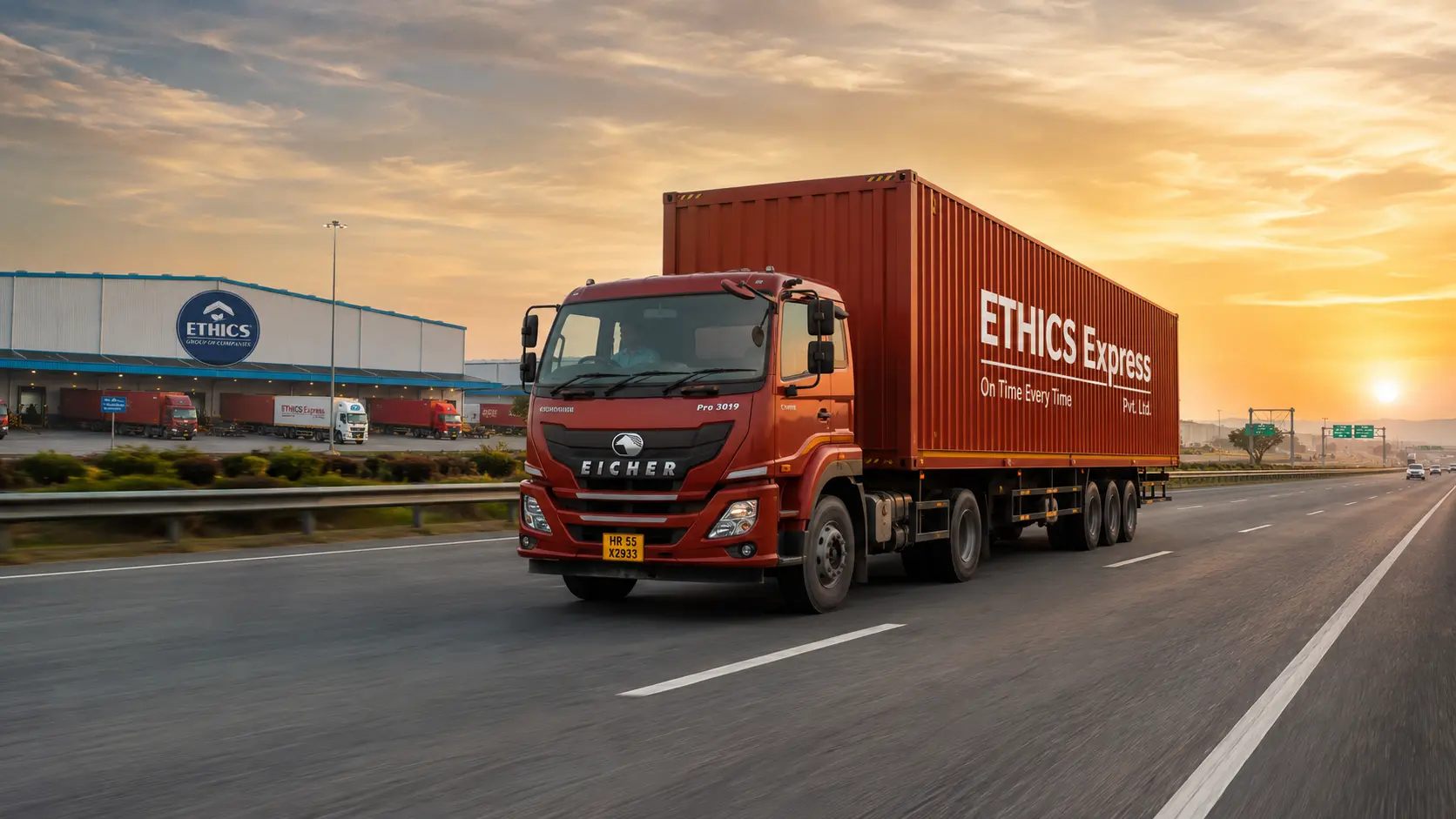
Ethics Express runs both FTL and PTL across India, which means the recommendation can follow your cargo rather than whatever happens to be available. On the FTL side, that's dedicated movement backed by an own fleet and a verified vendor network, with SLA-driven deliveries and real-time tracking nationwide. On the PTL side, it's cost-efficient shared movement through an optimised hub-and-spoke network, with consolidation and fixed transit schedules.
If you'd like a recommendation for your own lanes, you can explore our FTL services and PTL services, or browse the full range of services.
Frequently asked questions
1. What is the difference between FTL and PTL?
FTL gives you a whole truck for one shipment and is billed per trip. PTL shares a truck across several shippers and is billed by the space or weight you use.
2. Is PTL the same as LTL?
They describe the same shared-space idea and are often used interchangeably in India. Some carriers treat LTL as the smallest shipments and PTL as mid-sized loads.
3. Which one is cheaper?
PTL is usually cheaper for smaller loads, since you only pay for the space you take. FTL becomes the better value once you have enough volume to fill a truck.
4. What load size suits each model?
As a broad guide, loads that fill most of a truck (roughly 8 to 10 tonnes and above) suit FTL, while smaller or variable consignments suit PTL.
5. Is FTL faster?
Usually, yes. FTL moves directly with no consolidation stops, so transit times are shorter and more predictable.
6. Can I use both?
Many businesses do, using FTL for large or urgent lanes and PTL for smaller routine shipments to keep cost and speed in balance.
Not sure which model fits your shipments? Talk to our team and we'll help you work out the most cost-effective way to move your freight.