18 June 2026
/8 min read
What Is Full Truck Load (FTL) Transportation? Benefits, Challenges & Business Use Cases
What Is Full Truck Load (FTL) Transportation? Benefits, Challenges & Business Use Cases
Efficient transportation is the backbone of a successful supply chain. Whether businesses operate in manufacturing, FMCG, pharmaceuticals, retail, or e-commerce, timely movement of goods is critical for maintaining customer satisfaction and operational efficiency.
Among the various freight transportation options available today, Full Truck Load (FTL) transportation remains one of the most preferred solutions for businesses shipping large volumes of cargo. By dedicating an entire vehicle to a single shipment, FTL transportation helps organizations achieve faster deliveries, improved cargo security, and greater control over logistics operations.
In this guide, we explore how FTL transportation works, its advantages, challenges, and the industries that benefit most from this logistics model.
What Is Full Truck Load (FTL) Transportation?
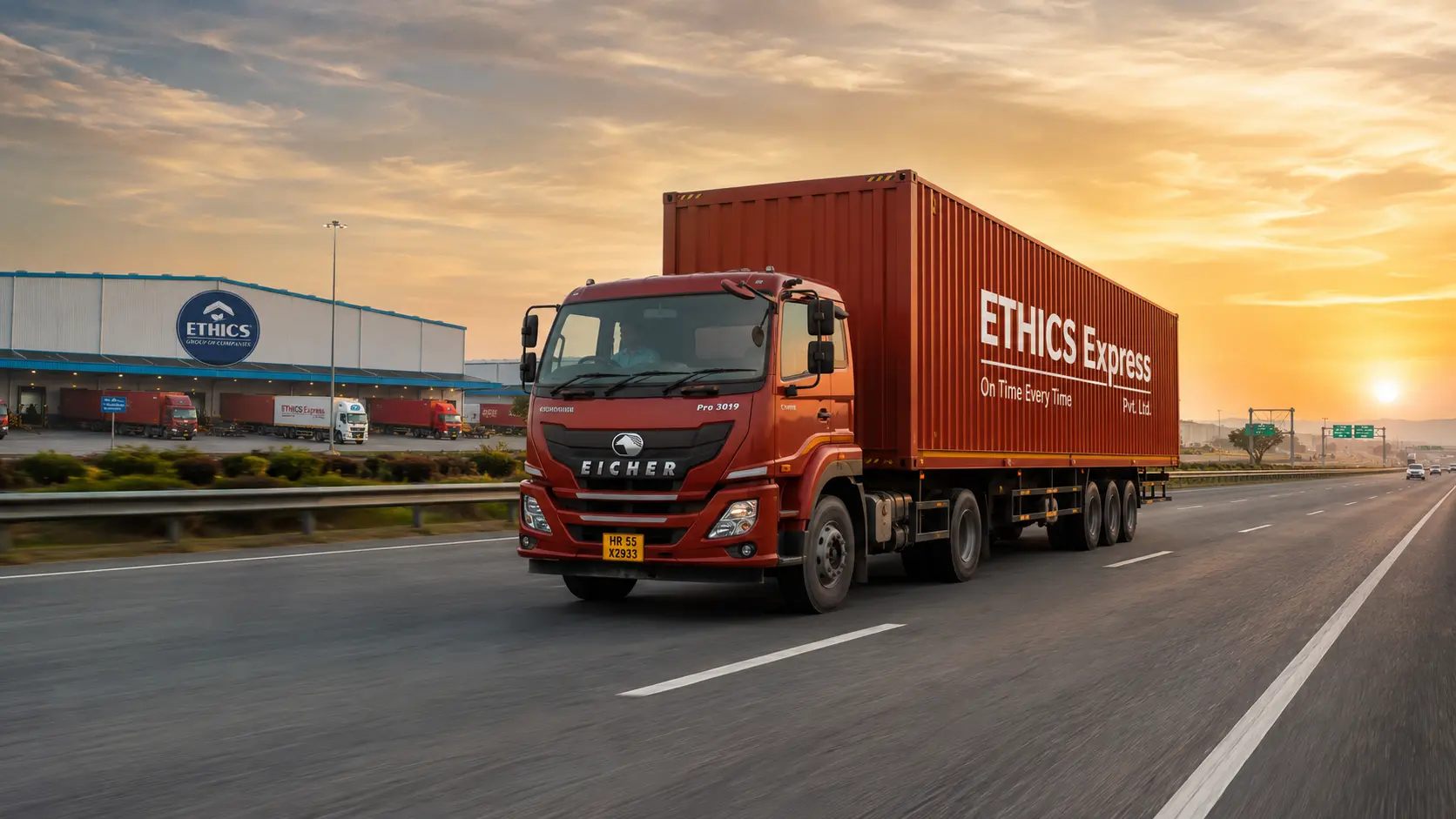
Full Truck Load (FTL) transportation is a freight shipping method where an entire truck is reserved for one customer's shipment. Unlike shared transportation models, the truck carries cargo from a single consignor and travels directly to the delivery destination.
This transportation method is commonly used when businesses need to move large shipment volumes or require dedicated transportation for time-sensitive, high-value, or fragile goods.
Because the vehicle is exclusively assigned to one shipment, businesses gain greater control over delivery schedules while reducing the risk of delays caused by multiple loading and unloading points.
How Does FTL Transportation Work?
The FTL transportation process is designed to ensure efficient cargo movement from origin to destination.
Cargo Loading
Goods are loaded onto a dedicated truck at the pickup location. Since the vehicle is assigned to one customer, all available cargo space is utilized for that shipment.
Direct Transportation
After loading, the truck proceeds toward the destination without making additional stops for other customers' shipments.
Final Delivery
Upon arrival, the cargo is unloaded at the designated destination, minimizing handling throughout the journey.
This streamlined process helps businesses improve delivery reliability and reduce transit-related risks.
Key Benefits of Full Truck Load Transportation
FTL transportation offers several advantages that make it a preferred choice for businesses with large shipping requirements.
Faster Transit Times
One of the biggest advantages of FTL logistics is speed. Since the shipment travels directly to its destination, transit times are generally shorter compared to shared transportation models.
This is especially beneficial for businesses operating on tight delivery schedules.
Reduced Cargo Handling
Frequent loading and unloading increase the possibility of cargo damage. With dedicated truck transportation, goods remain on the same vehicle throughout the journey, significantly reducing handling risks.
Improved Shipment Security
FTL transportation provides enhanced security because the truck carries cargo from only one customer. Fewer touchpoints reduce the likelihood of shipment loss, theft, or misrouting.
Greater Operational Control
Businesses can schedule pickups and deliveries according to their operational requirements, improving inventory management and supply chain planning.
Cost Efficiency for Large Shipments
For organizations shipping substantial cargo volumes, FTL transportation often delivers better value by maximizing vehicle utilization and lowering transportation costs per unit.
Challenges of FTL Transportation
Although FTL transportation offers significant benefits, businesses should also understand its limitations.
Higher Costs for Smaller Loads
If a shipment does not utilize the majority of a truck's capacity, businesses may end up paying for unused space. In such cases, alternative transportation methods may be more economical.
Capacity Constraints During Peak Seasons
During festive periods, seasonal demand surges, or industry disruptions, securing dedicated vehicles may become more challenging.
Transportation Planning Requirements
Efficient route planning and shipment scheduling remain essential for maximizing the benefits of FTL logistics and controlling transportation expenses.
FTL vs PTL Transportation: Understanding the Difference
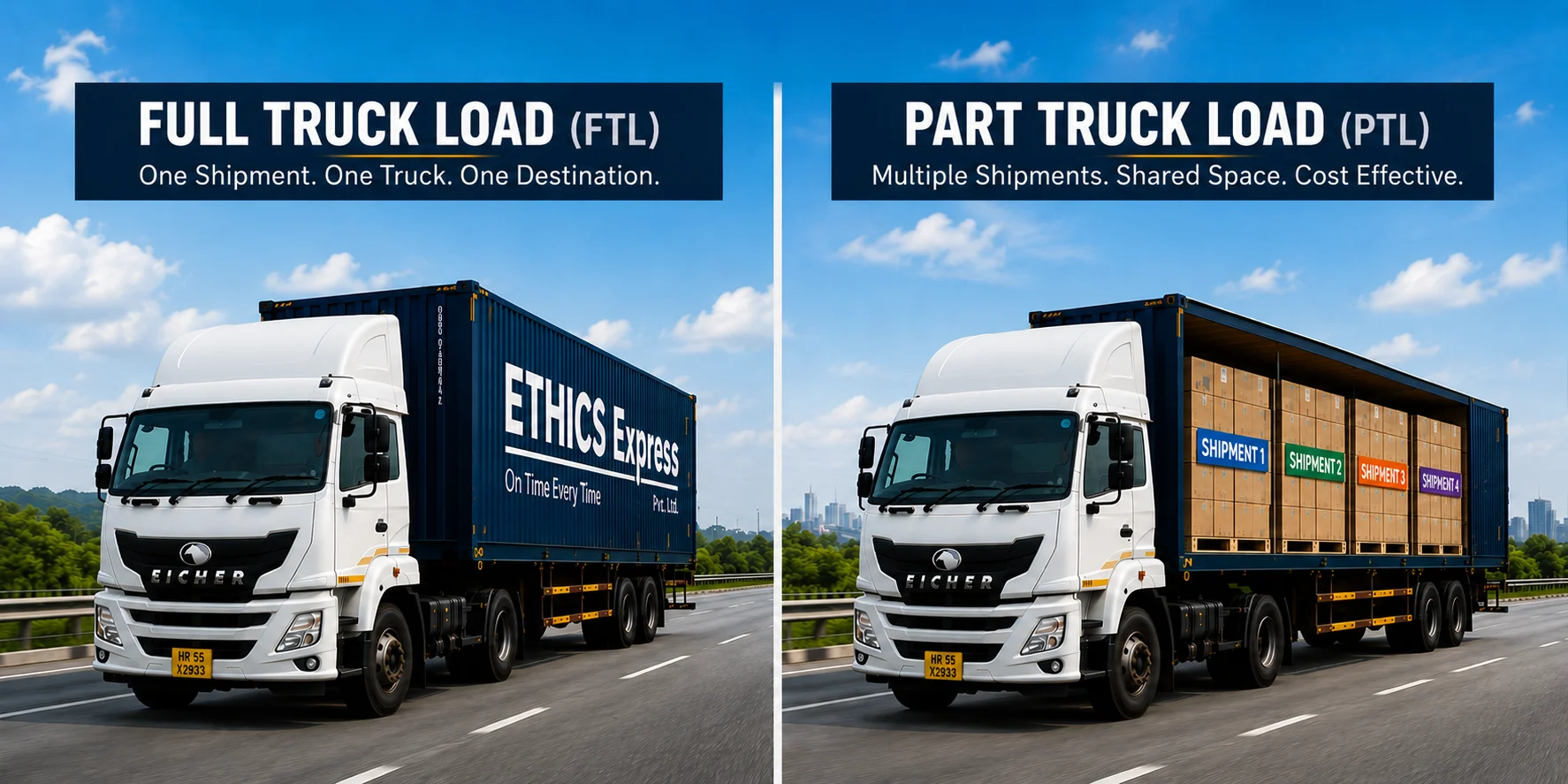
Businesses often compare FTL transportation with Part Truck Load (PTL) transportation when choosing the most suitable shipping solution.
| Feature | FTL Transportation | PTL Transportation |
| Vehicle Usage | Dedicated truck | Shared truck |
| Transit Time | Faster | Moderate |
| Cargo Handling | Minimal | Multiple touchpoints |
| Shipment Volume | Large loads | Medium-sized loads |
| Cost Structure | Best for large shipments | Best for smaller shipments |
Organizations should evaluate shipment volume, urgency, and budget before selecting between FTL and PTL services.
Industries That Benefit from FTL Logistics
Several industries rely on Full Truck Load transportation to maintain efficient supply chain operations.
FMCG Industry
Fast-moving consumer goods companies require regular transportation of large shipment volumes to ensure product availability across distribution networks.
Manufacturing Sector
Manufacturers use FTL transportation to move raw materials, machinery components, and finished goods while minimizing disruptions to production schedules.
Pharmaceutical Industry
Pharmaceutical shipments often require secure handling and controlled transportation conditions. Dedicated truck transportation helps maintain shipment integrity.
Retail and E-commerce
Retailers and e-commerce businesses frequently move inventory between warehouses, fulfillment centers, and distribution hubs using FTL logistics.
Automotive Industry
Automotive manufacturers depend on reliable transportation for components and finished products, making FTL services an essential part of their supply chain strategy.
How to Choose the Right FTL Logistics Partner
Selecting the right transportation provider is critical to achieving supply chain efficiency.
Businesses should consider:
Fleet size and vehicle availability
Network coverage
Shipment tracking capabilities
Industry expertise
On-time delivery performance
Customer support responsiveness
Safety and compliance standards
According to the World Bank Logistics Performance Index, transportation reliability and logistics efficiency continue to play a significant role in global supply chain competitiveness.
Conclusion
Full Truck Load (FTL) transportation remains one of the most effective freight solutions for businesses moving large shipment volumes. By offering faster transit times, reduced cargo handling, enhanced security, and improved operational control, FTL logistics helps organizations build more resilient and efficient supply chains.
As transportation demands continue to evolve, businesses must partner with logistics providers capable of delivering reliability, visibility, and scalable freight solutions. Ethics Express supports businesses with transportation services designed to optimize cargo movement, improve supply chain performance, and meet the growing demands of modern logistics operations.