06 July 2026
/6 min read
How to Choose a Reliable Logistics Partner for Your Business in India
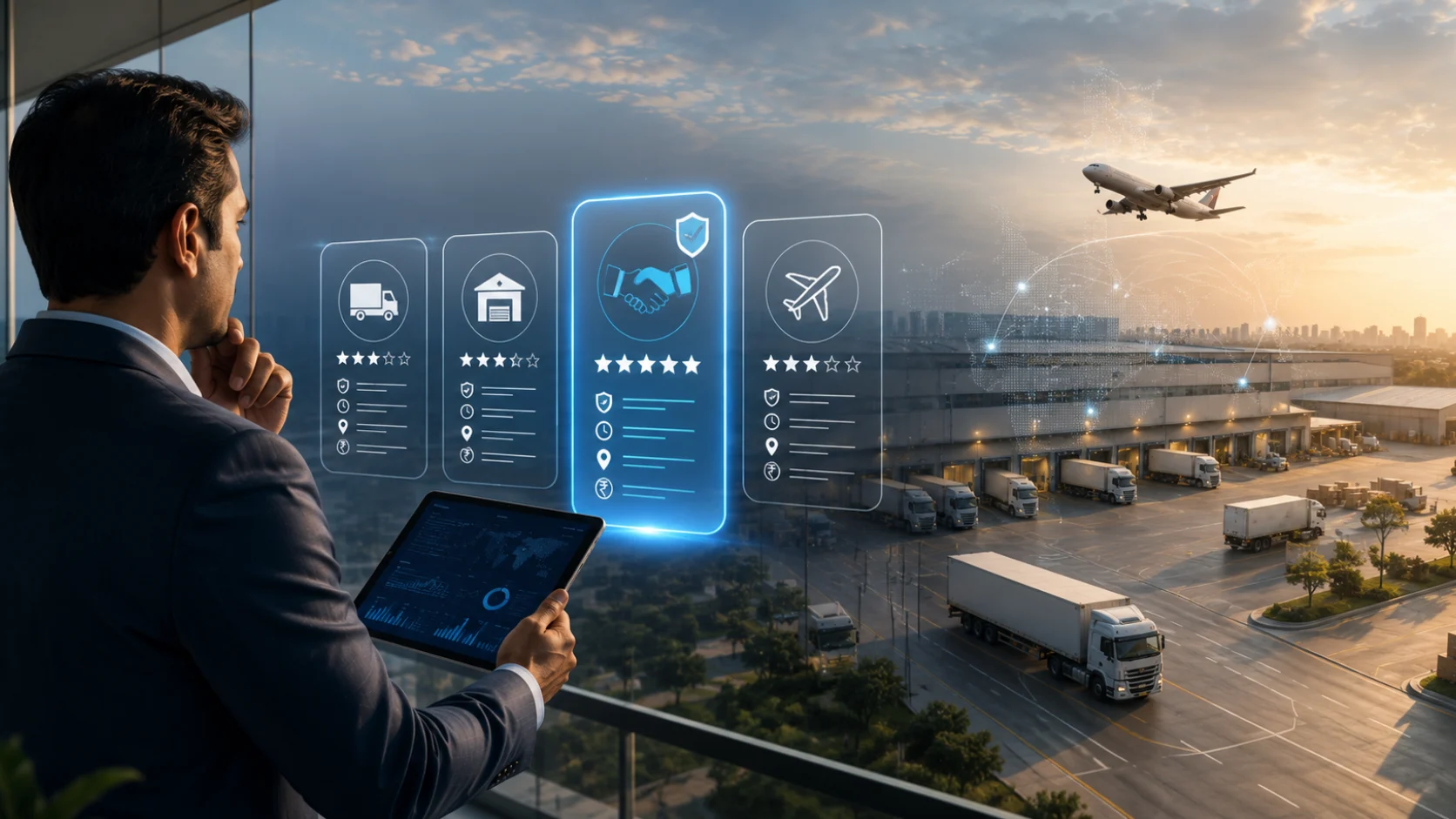
Choosing the right logistics partner can make or break your supply chain. A reliable logistics partner in India doesn't just move boxes from one place to another — they protect your delivery timelines, your customer relationships, and ultimately, your bottom line. Yet with hundreds of freight and warehousing providers across the country, how do you separate a truly dependable partner from one that will cost you delays, damaged goods, or hidden charges?
This guide walks through exactly what to look for — from understanding freight modes like FTL and PTL, to evaluating rail parcel vs road freight options, to checking whether a provider can genuinely handle cold chain and GDP compliance for sensitive goods.
Why Choosing the Right Logistics Partner Matters
Your logistics partner is an extension of your business. If shipments arrive late, damaged, or without visibility, it's your brand that takes the hit — not theirs. A reliable partner directly impacts:
Customer satisfaction — on-time, damage-free delivery builds trust
Cost control — the right partner optimizes freight mode and route, not just charges a flat rate
Scalability — a good partner grows with you, handling seasonal spikes and new routes
Compliance — especially critical for regulated goods like pharmaceuticals
7 Things to Look For in a Reliable Logistics Partner
1. Multimodal Freight Capability
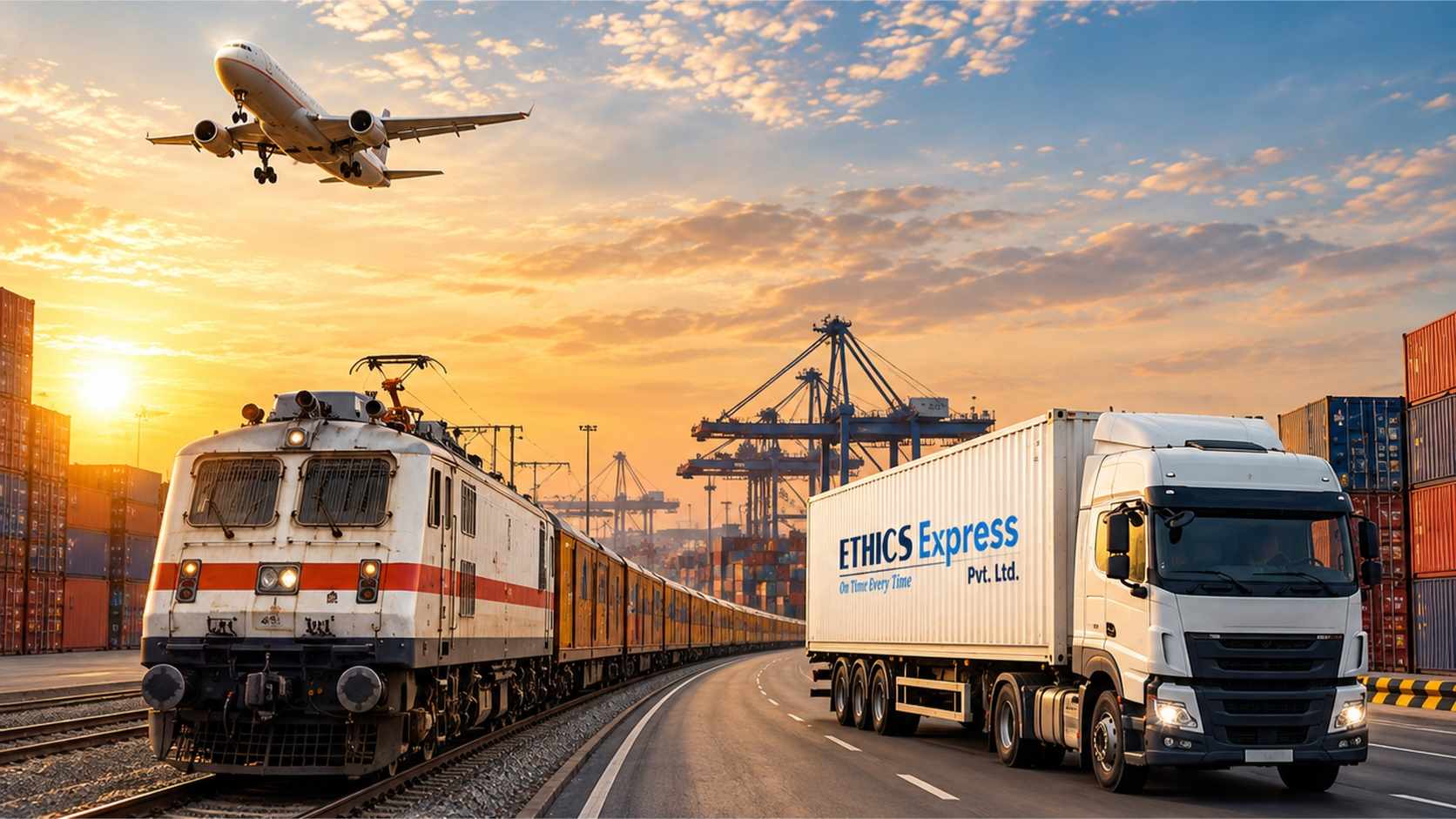
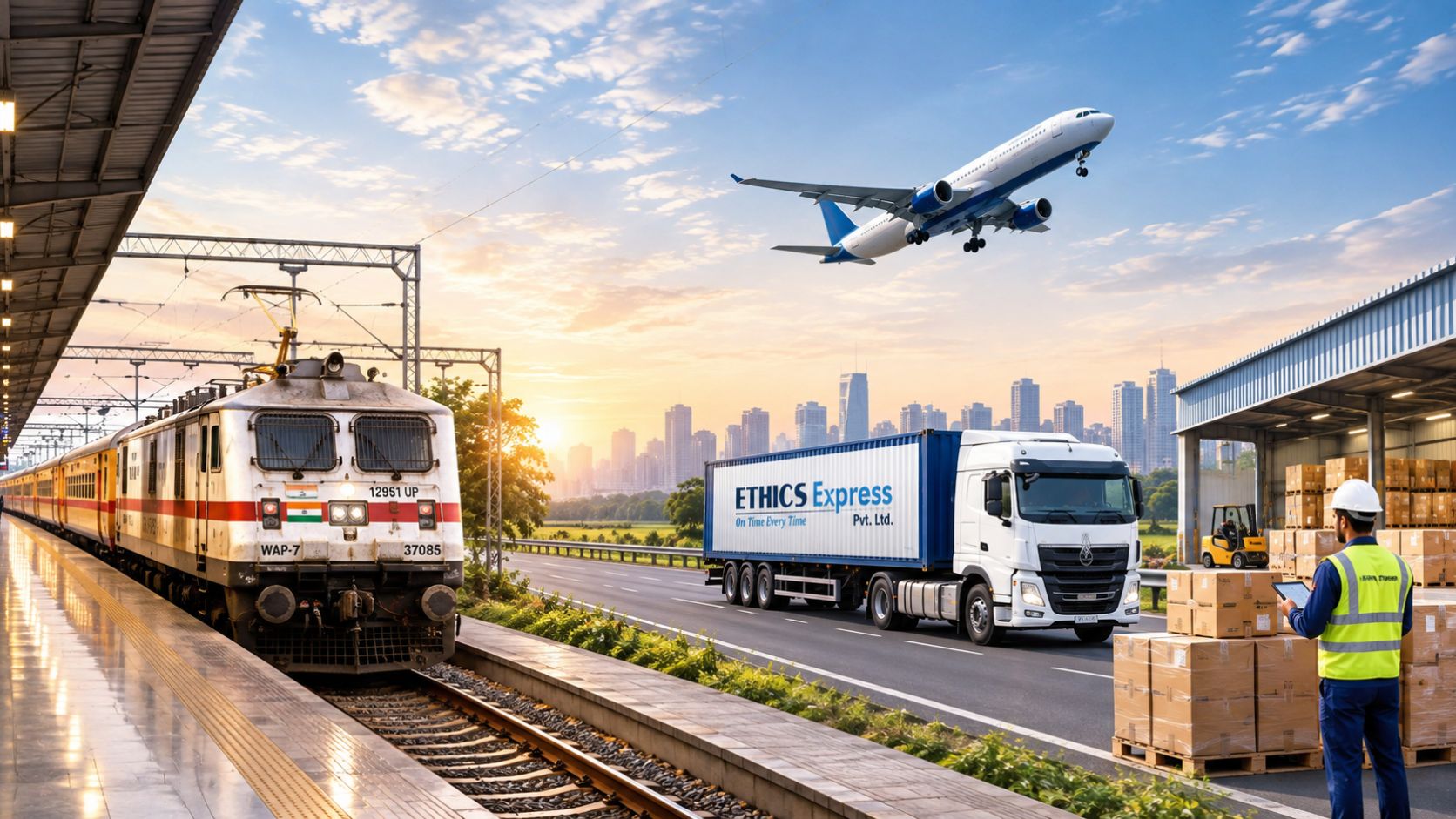
The best logistics partners don't lock you into a single mode. They should be able to advise you on rail parcel vs road freight depending on your shipment's urgency, volume, and route — and offer air cargo where speed is critical. A partner offering only one mode will often push you toward it even when it isn't the most efficient choice for your specific shipment.
For example, on a route like Delhi–Mumbai, rail parcel is typically more cost-effective for bulk, non-urgent shipments, while road freight offers more flexibility for smaller or time-sensitive loads that need true door-to-door delivery.
2. Understanding of FTL and PTL, and When to Use Each
What is FTL? Full Truck Load (FTL) means your shipment gets a dedicated truck, exclusively for your goods — ideal for large volumes or when you need faster, more direct transit.
What is PTL? Part Truck Load (PTL) means your shipment shares truck space with other consignments, making it a cost-effective option for smaller loads that don't require a full truck.
A reliable partner should clearly explain FTL and PTL options and recommend the right one based on your shipment size — not default you to whichever is more profitable for them. If a provider can't clearly answer "what is FTL" or explain when PTL makes more sense, that's a red flag about their overall freight expertise.
3. Warehousing and 3PL/4PL Capabilities
If you need storage, fulfillment, or inventory management alongside transportation, check whether your logistics partner offers integrated warehousing — ideally across multiple regions, so your inventory sits closer to your end customers.
4. Cold Chain and GDP Compliance (For Regulated Goods)
If you're shipping pharmaceuticals, perishables, or any temperature-sensitive product, cold chain and GDP compliance isn't optional — it's a regulatory requirement. Ask potential partners:
Do they have temperature-controlled vehicles and storage?
Can they provide temperature logs and compliance documentation?
Are their processes aligned with Good Distribution Practice (GDP) standards?
A logistics partner without a genuine cold chain and GDP compliance track record should not be trusted with sensitive pharma or perishable shipments, regardless of how competitive their pricing looks.
5. Real-Time Tracking and Visibility
You should be able to track your shipment status at any point in transit — not just receive a delivery confirmation at the end. Ask whether the provider offers a tracking portal, SMS/email updates, or API integration with your own systems.
6. Nationwide Reach and Pin Code Coverage
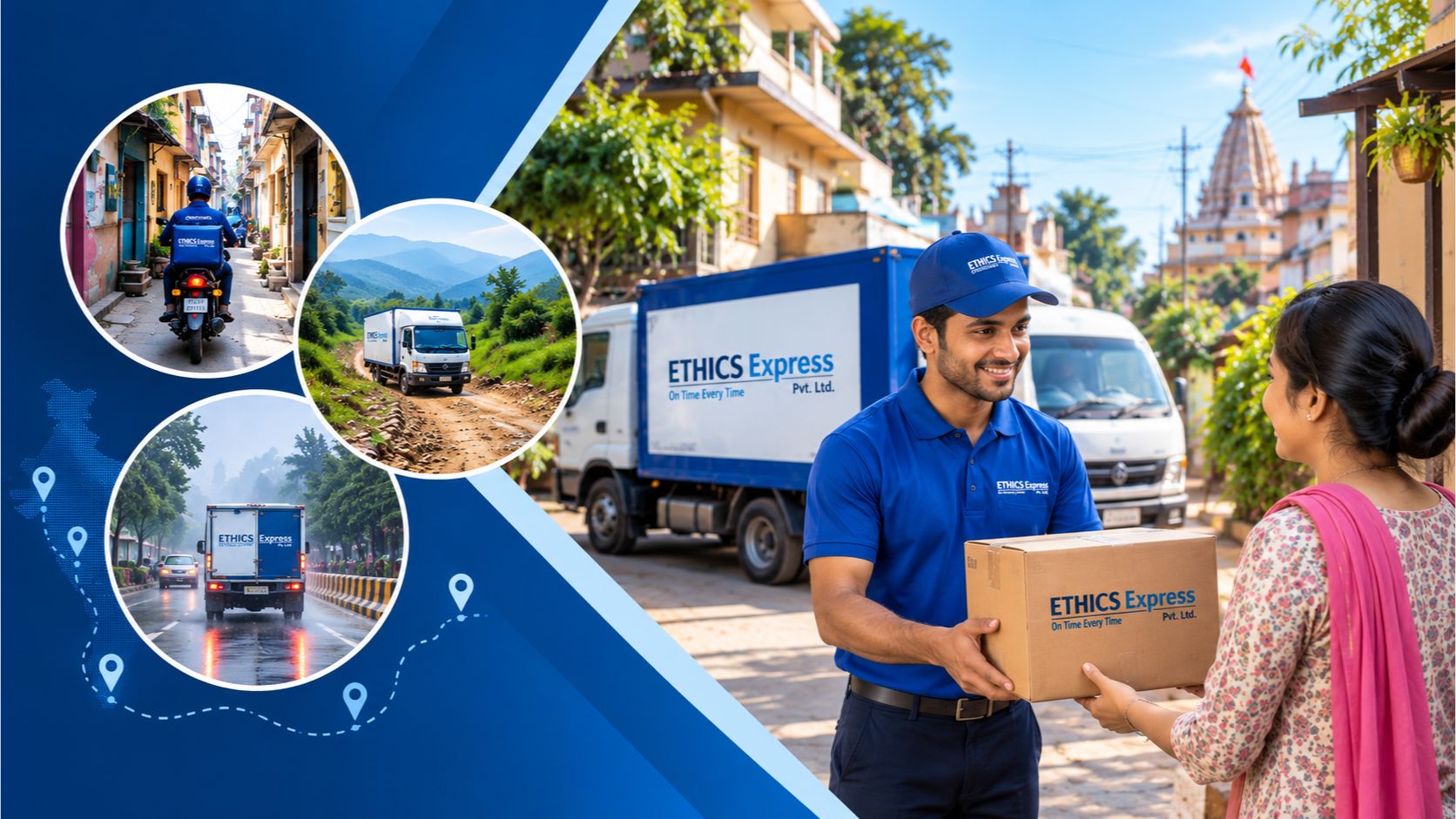
A logistics partner is only as useful as the network behind it. Check their actual pin code coverage — especially if you sell to Tier 2 and Tier 3 cities — rather than assuming "pan-India" claims cover your specific delivery areas.
7. Transparent Pricing and SLAs
Reliable partners are upfront about pricing, including fuel surcharges, toll charges, and handling fees, and commit to clear service-level agreements (SLAs) for transit time and damage/loss liability.
Questions to Ask Before Signing a Logistics Contract
What freight modes do you offer, and can you explain the trade-offs between FTL and PTL for my volume?
For long-distance shipments, would you recommend rail parcel vs road freight for my specific route?
Can you demonstrate your cold chain and GDP compliance certifications if I'm shipping regulated goods?
What is your average on-time delivery rate, and can you share references?
What tracking and visibility tools do you provide?
What happens if a shipment is delayed or damaged — what's your liability policy?
Conclusion
Choosing a reliable logistics partner in India comes down to more than just price — it's about multimodal flexibility, a clear understanding of FTL and PTL, genuine cold chain and GDP compliance where needed, and transparent, trackable service. The right partner should be able to explain confidently what is FTL, when rail parcel vs road freight makes more sense for your route, and how they handle regulated shipments — not just quote you a number.
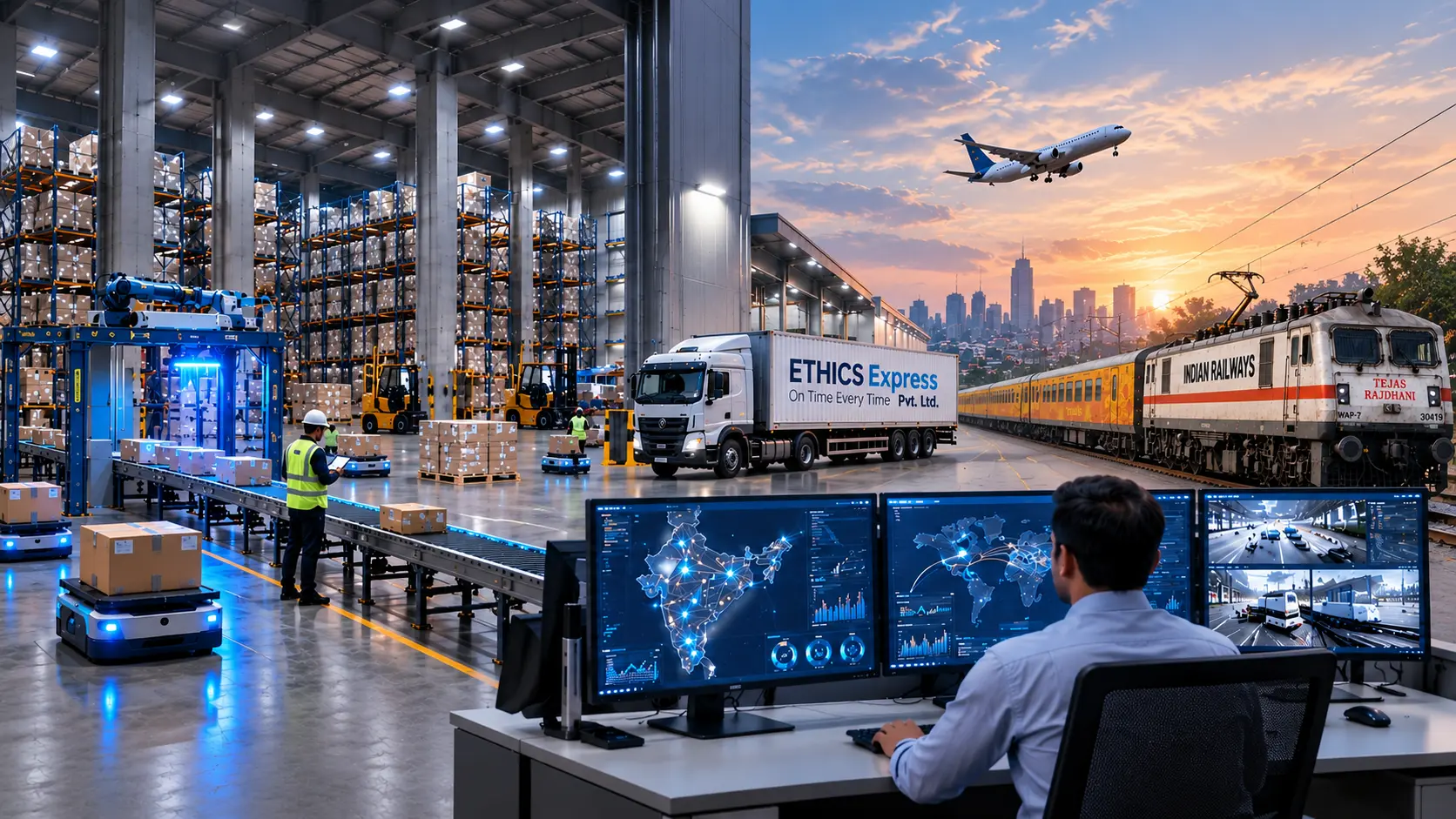
Ethics Express offers exactly this kind of multimodal logistics partnership — combining rail parcel, road freight (FTL/PTL), air cargo, and warehousing, with cold chain and GDP-compliant handling for pharma and temperature-sensitive goods, across a nationwide network. If you're evaluating logistics partners for your business, we're happy to walk you through how we can support your specific freight needs.
Frequently Asked Questions
What is FTL in logistics?
FTL stands for Full Truck Load — a shipping arrangement where a shipment fills, or is billed for, an entire truck exclusively, typically used for large-volume freight that benefits from direct, faster transit.
What is the difference between FTL and PTL?
FTL dedicates a full truck to a single shipment, while PTL (Part Truck Load) allows multiple shippers' goods to share truck space, making it more cost-effective for smaller shipment volumes.
Is rail parcel cheaper than road freight?
For bulk, long-distance shipments on well-connected routes like Delhi–Mumbai, rail parcel is generally more cost-effective than road freight, though road freight offers greater flexibility and true door-to-door delivery.
What is GDP compliance in cold chain logistics?
GDP (Good Distribution Practice) compliance refers to a set of standards ensuring pharmaceutical and temperature-sensitive products are stored and transported within required conditions throughout the supply chain, maintaining product safety and efficacy.
How do I know if a logistics partner is reliable?
Look for multimodal freight capability, clear explanations of options like FTL and PTL, nationwide pin code coverage, real-time tracking, transparent pricing, and — for regulated goods — verified cold chain and GDP compliance.