09 July 2026
/9 min read
FMCG Supply Chain Challenges: Why Speed and Shelf-Life Matter in Distribution
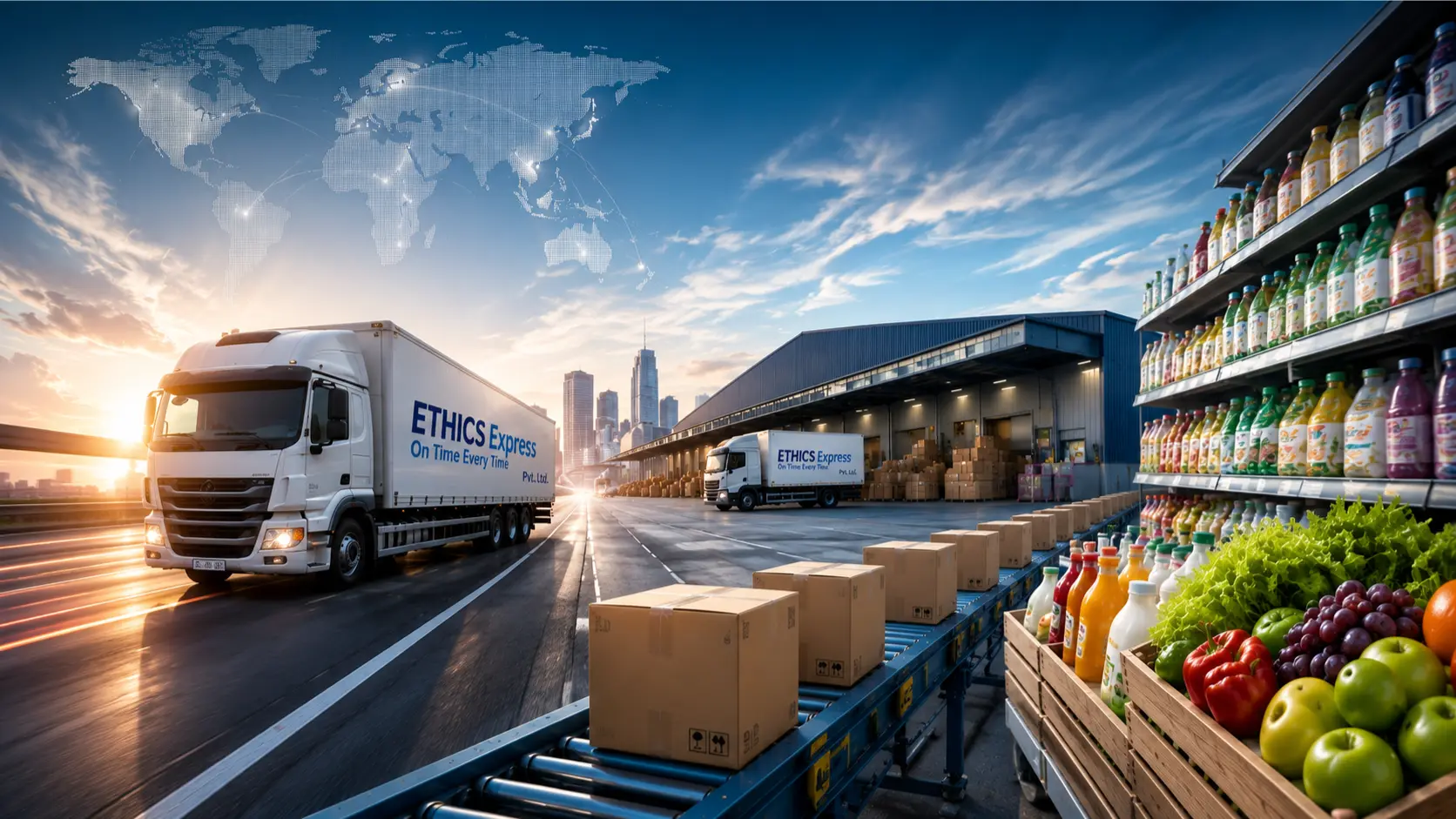
The Fast-Moving Consumer Goods (FMCG) sector runs on two things: speed and shelf-life. Unlike many other industries, FMCG products — from packaged food to personal care items — have a limited window to reach shelves before their value starts to erode. A delayed shipment doesn't just mean a late delivery; it can mean unsellable inventory, lost margins, and damaged retailer rThe Fast-Moving Consumer Goods (FMCG) sector runs on two things: speed and shelf-life. Unlike many other industries, FMCG products — from packaged food to personal care items — have a limited window to reach shelves before their value starts to erode. A delayed shipment doesn't just mean a late delivery; it can mean unsellable inventory, lost margins, and damaged retailer relationships.
This makes the FMCG supply chain one of the most demanding logistics environments in India. In this guide, we break down the biggest FMCG supply chain challenges around speed and shelf-life, and how choosing the right freight mix and a reliable logistics partner helps FMCG businesses stay ahead of them.
Why Speed and Shelf-Life Define FMCG Logistics
FMCG products are, by definition, meant to move fast — off trucks, onto retailer shelves, and into consumers' hands quickly. A few factors make this uniquely challenging:
Perishability and expiry dates — many FMCG products, especially food and beverage items, have short shelf lives that shrink further with every day spent in transit
High shipment frequency — FMCG brands typically ship far more frequently than other industries, increasing the operational load on logistics networks
Seasonal and promotional demand spikes — festive seasons and promotions can multiply shipment volumes overnight
Retailer SLAs — large retail chains often enforce strict delivery windows, with penalties for late or incomplete shipments
Key FMCG Supply Chain Challenges
1. Balancing Speed with Cost
FMCG margins are typically thin, which means logistics costs need to stay tightly controlled — but not at the expense of delivery speed. This is where understanding your freight options matters. For example:
What is FTL? Full Truck Load (FTL) dedicates an entire truck to your shipment, ideal for high-volume FMCG dispatches to major distribution hubs where speed and directness matter.
Understanding FTL and PTL (Part Truck Load) lets FMCG businesses match shipment size to the right freight model — using FTL for bulk warehouse-to-warehouse movement, and PTL for smaller regional top-ups, keeping cost per unit down without sacrificing delivery windows.
2. Choosing the Right Freight Mode for the Route
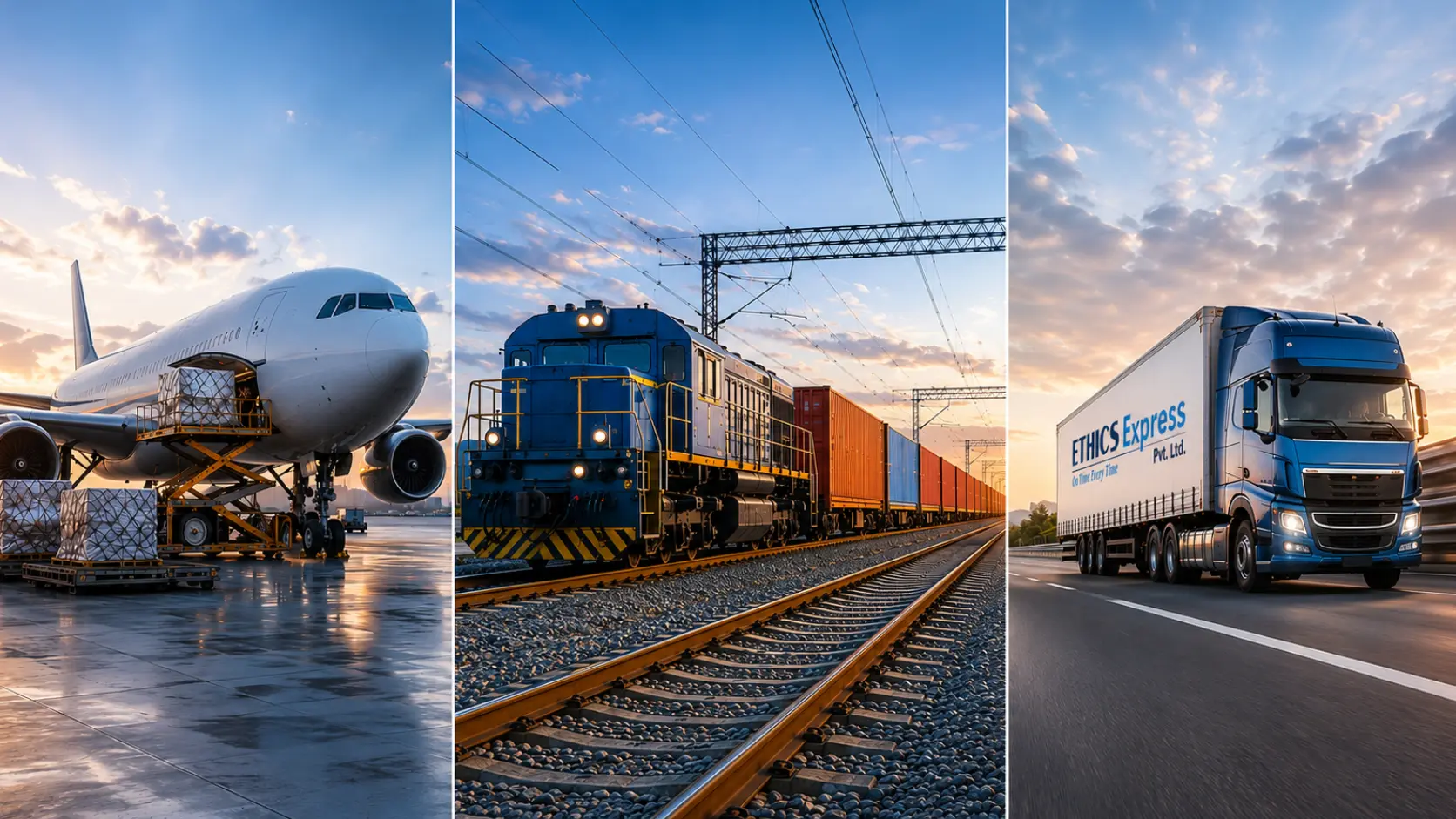
Not every shipment needs the fastest (and most expensive) option. On high-volume corridors, comparing rail parcel vs road freight can significantly affect both cost and reliability. A Delhi-Mumbai rail parcel service, for instance, is often a strong option for bulk, planned FMCG dispatches where a 1-3 day transit window is acceptable — freeing up road freight capacity for time-sensitive, shorter-notice replenishment orders.
3. Managing Shelf-Life-Sensitive and Cold Chain Products
Certain FMCG categories — dairy, beverages, frozen foods — require cold chain and GDP compliance even outside the pharma sector. Temperature excursions during transit can shorten shelf life or spoil products entirely before they even reach the retailer. FMCG brands need logistics partners who can guarantee temperature-controlled handling from warehouse to final delivery, not just for pharmaceuticals but for any perishable product line.
4. Last-Mile Delivery to Fragmented Retail Networks
Unlike B2B shipments to a handful of large warehouses, FMCG distribution often means delivering to thousands of small retail outlets, kirana stores, and regional distributors — many in Tier 2 and Tier 3 cities. This fragmented last-mile network is one of the hardest parts of FMCG logistics to optimize.
5. Inventory and Warehousing Proximity
Because shelf-life is finite, FMCG businesses need warehousing located close to demand centers, not just centralized hubs. Regional warehousing reduces the transit time between storage and final delivery, directly protecting product freshness.
6. Demand Volatility and Seasonal Spikes
Promotions, festivals, and seasonal buying patterns can cause sudden volume surges. FMCG supply chains need logistics partners who can scale capacity quickly — shifting between FTL, PTL, rail, and road as needed — rather than being locked into a single rigid freight arrangement.
How the Right Logistics Partner Solves These Challenges
A reliable logistics partner helps FMCG businesses navigate all of the above by offering:
Multimodal flexibility — the ability to switch between FTL, PTL, rail parcel, and road freight based on shipment urgency and volume
Cold chain and GDP compliance infrastructure for temperature-sensitive product lines
Regional warehousing to shorten the last mile and protect shelf-life
Real-time tracking so FMCG brands can proactively manage retailer SLAs
Scalable capacity to absorb seasonal and promotional demand spikes without service breakdowns
If you're still evaluating what to look for, our guide on how to choose a reliable logistics partner breaks down the full checklist — from freight mode flexibility to compliance credentials.
Conclusion
FMCG supply chains live and die by speed and shelf-life. Every extra day in transit is a day closer to expiry, a tighter retailer SLA window, or a lost sales opportunity. Solving these FMCG supply chain challenges requires more than just booking a truck — it requires understanding when to use FTL and PTL, knowing when rail parcel vs road freight makes more sense for your route, and partnering with a provider who takes cold chain and GDP compliance seriously.
Ethics Express supports FMCG businesses with exactly this kind of flexible, multimodal logistics — including a dedicated Delhi-Mumbai rail parcel service, FTL/PTL road freight, temperature-controlled handling, and regional warehousing designed to protect shelf-life and keep your distribution network moving fast. If FMCG distribution speed and reliability are a priority for your business, we're ready to help you build a logistics plan around it.
Frequently Asked Questions
What are the biggest supply chain challenges in the FMCG industry?
The biggest FMCG supply chain challenges include balancing speed with cost, managing shelf-life-sensitive and cold chain products, handling fragmented last-mile retail delivery, and scaling quickly during seasonal demand spikes.
Why does shelf-life matter so much in FMCG logistics?
Many FMCG products have limited shelf lives, so any delay in transit reduces the time available to sell the product before expiry, directly impacting retailer relationships and revenue.
Is rail parcel a good option for FMCG distribution?
Yes — for bulk, planned FMCG shipments on high-volume corridors like Delhi-Mumbai, rail parcel service is often more cost-effective than road freight, though road freight remains better suited for urgent or smaller last-mile deliveries.
Do FMCG products need cold chain logistics?
Many FMCG categories, such as dairy, beverages, and frozen foods, require cold chain and GDP-compliant handling to prevent spoilage and maintain product quality during transit.
How do FTL and PTL apply to FMCG shipping?
FTL (Full Truck Load) is typically used for bulk, high-volume FMCG shipments between major hubs, while PTL (Part Truck Load) is more cost-effective for smaller, regional top-up deliveries.
elationships.
This makes the FMCG supply chain one of the most demanding logistics environments in India. In this guide, we break down the biggest FMCG supply chain challenges around speed and shelf-life, and how choosing the right freight mix and a reliable logistics partner helps FMCG businesses stay ahead of them.
Why Speed and Shelf-Life Define FMCG Logistics
FMCG products are, by definition, meant to move fast — off trucks, onto retailer shelves, and into consumers' hands quickly. A few factors make this uniquely challenging:
Perishability and expiry dates — many FMCG products, especially food and beverage items, have short shelf lives that shrink further with every day spent in transit
High shipment frequency — FMCG brands typically ship far more frequently than other industries, increasing the operational load on logistics networks
Seasonal and promotional demand spikes — festive seasons and promotions can multiply shipment volumes overnight
Retailer SLAs — large retail chains often enforce strict delivery windows, with penalties for late or incomplete shipments
Key FMCG Supply Chain Challenges
1. Balancing Speed with Cost
FMCG margins are typically thin, which means logistics costs need to stay tightly controlled — but not at the expense of delivery speed. This is where understanding your freight options matters. For example:
What is FTL? Full Truck Load (FTL) dedicates an entire truck to your shipment, ideal for high-volume FMCG dispatches to major distribution hubs where speed and directness matter.
Understanding FTL and PTL (Part Truck Load) lets FMCG businesses match shipment size to the right freight model — using FTL for bulk warehouse-to-warehouse movement, and PTL for smaller regional top-ups, keeping cost per unit down without sacrificing delivery windows.
2. Choosing the Right Freight Mode for the Route
Not every shipment needs the fastest (and most expensive) option. On high-volume corridors, comparing rail parcel vs road freight can significantly affect both cost and reliability. A Delhi-Mumbai rail parcel service, for instance, is often a strong option for bulk, planned FMCG dispatches where a 1-3 day transit window is acceptable — freeing up road freight capacity for time-sensitive, shorter-notice replenishment orders.
3. Managing Shelf-Life-Sensitive and Cold Chain Products
Certain FMCG categories — dairy, beverages, frozen foods — require cold chain and GDP compliance even outside the pharma sector. Temperature excursions during transit can shorten shelf life or spoil products entirely before they even reach the retailer. FMCG brands need logistics partners who can guarantee temperature-controlled handling from warehouse to final delivery, not just for pharmaceuticals but for any perishable product line.
4. Last-Mile Delivery to Fragmented Retail Networks
Unlike B2B shipments to a handful of large warehouses, FMCG distribution often means delivering to thousands of small retail outlets, kirana stores, and regional distributors — many in Tier 2 and Tier 3 cities. This fragmented last-mile network is one of the hardest parts of FMCG logistics to optimize.
5. Inventory and Warehousing Proximity
Because shelf-life is finite, FMCG businesses need warehousing located close to demand centers, not just centralized hubs. Regional warehousing reduces the transit time between storage and final delivery, directly protecting product freshness.
6. Demand Volatility and Seasonal Spikes
Promotions, festivals, and seasonal buying patterns can cause sudden volume surges. FMCG supply chains need logistics partners who can scale capacity quickly — shifting between FTL, PTL, rail, and road as needed — rather than being locked into a single rigid freight arrangement.
How the Right Logistics Partner Solves These Challenges
A reliable logistics partner helps FMCG businesses navigate all of the above by offering:
Multimodal flexibility — the ability to switch between FTL, PTL, rail parcel, and road freight based on shipment urgency and volume
Cold chain and GDP compliance infrastructure for temperature-sensitive product lines
Regional warehousing to shorten the last mile and protect shelf-life
Real-time tracking so FMCG brands can proactively manage retailer SLAs
Scalable capacity to absorb seasonal and promotional demand spikes without service breakdowns
If you're still evaluating what to look for, our guide on how to choose a reliable logistics partner breaks down the full checklist — from freight mode flexibility to compliance credentials.
Conclusion
FMCG supply chains live and die by speed and shelf-life. Every extra day in transit is a day closer to expiry, a tighter retailer SLA window, or a lost sales opportunity. Solving these FMCG supply chain challenges requires more than just booking a truck — it requires understanding when to use FTL and PTL, knowing when rail parcel vs road freight makes more sense for your route, and partnering with a provider who takes cold chain and GDP compliance seriously.
Ethics Express supports FMCG businesses with exactly this kind of flexible, multimodal logistics — including a dedicated Delhi-Mumbai rail parcel service, FTL/PTL road freight, temperature-controlled handling, and regional warehousing designed to protect shelf-life and keep your distribution network moving fast. If FMCG distribution speed and reliability are a priority for your business, we're ready to help you build a logistics plan around it.
Frequently Asked Questions
What are the biggest supply chain challenges in the FMCG industry?
The biggest FMCG supply chain challenges include balancing speed with cost, managing shelf-life-sensitive and cold chain products, handling fragmented last-mile retail delivery, and scaling quickly during seasonal demand spikes.
Why does shelf-life matter so much in FMCG logistics?
Many FMCG products have limited shelf lives, so any delay in transit reduces the time available to sell the product before expiry, directly impacting retailer relationships and revenue.
Is rail parcel a good option for FMCG distribution?
Yes — for bulk, planned FMCG shipments on high-volume corridors like Delhi-Mumbai, rail parcel service is often more cost-effective than road freight, though road freight remains better suited for urgent or smaller last-mile deliveries.
Do FMCG products need cold chain logistics?
Many FMCG categories, such as dairy, beverages, and frozen foods, require cold chain and GDP-compliant handling to prevent spoilage and maintain product quality during transit.
How do FTL and PTL apply to FMCG shipping?
FTL (Full Truck Load) is typically used for bulk, high-volume FMCG shipments between major hubs, while PTL (Part Truck Load) is more cost-effective for smaller, regional top-up deliveries.