02 September 2026
/6 min read
In-House Logistics vs Outsourcing to a 3PL: Which Saves You More in 2026?
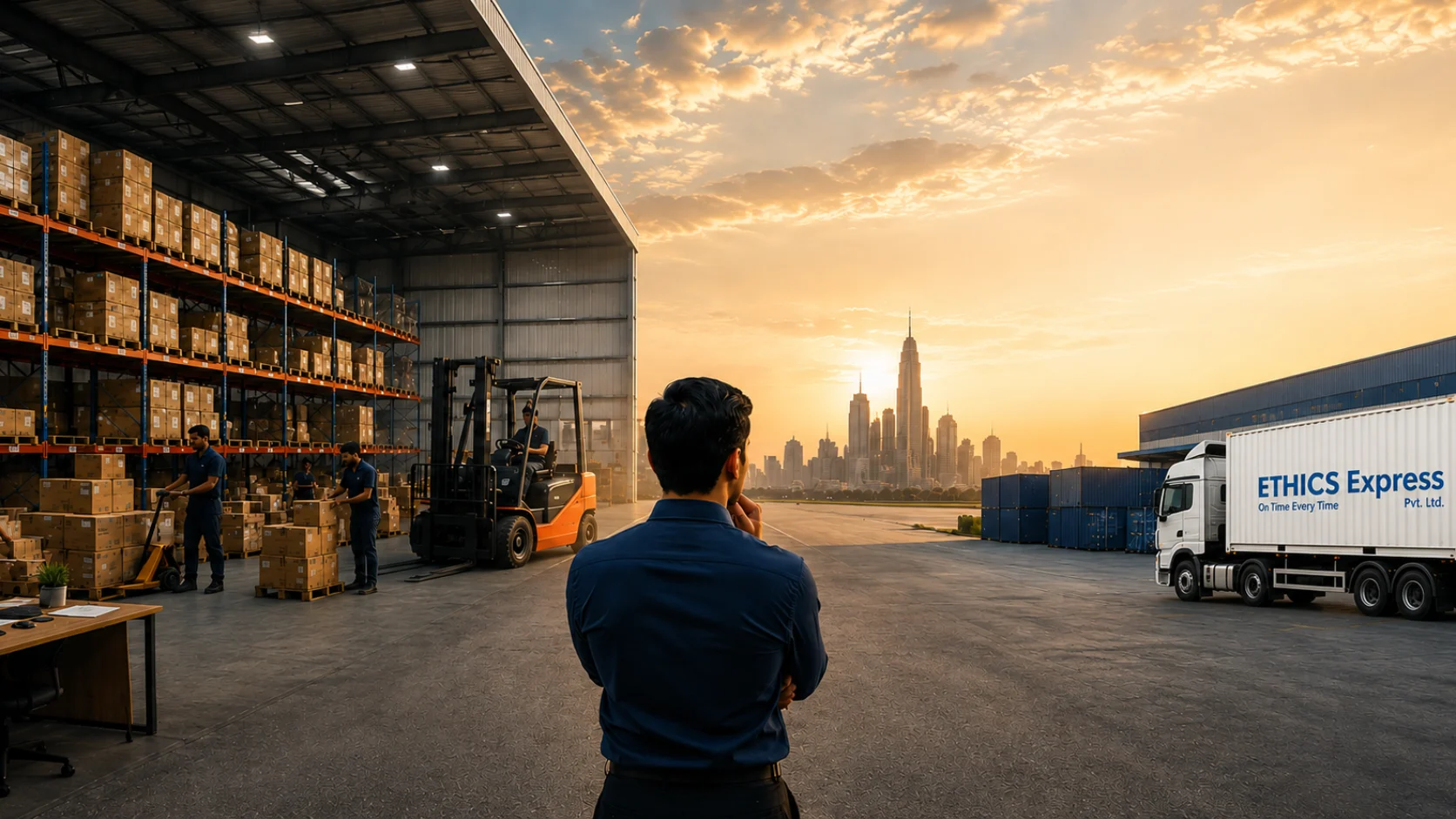
As businesses scale in 2026, one question keeps coming up in supply chain planning meetings: should we build our own logistics operation, or outsource it to a third-party logistics (3PL) provider? The in-house logistics vs 3PL decision affects everything from your cost structure to your ability to handle demand spikes, and getting it wrong can quietly drain margins for years.
This guide breaks down both models — what they actually cost, where each one wins, and how to decide which approach saves your business more in 2026.
What Does "In-House Logistics" Actually Involve?
Running logistics in-house means your business owns and manages its own trucks, warehouses, staff, and freight bookings — or a significant portion of them. It gives you full control over operations, but that control comes with real costs:
Capital investment in vehicles, warehousing, and technology
Fixed staffing costs — drivers, warehouse teams, dispatch coordinators — regardless of shipment volume
Limited flexibility across freight modes; most in-house fleets are built around road transport, with little practical access to rail parcel or air cargo options
Scaling challenges during demand spikes, since expanding an in-house fleet takes time and capital
What Does Outsourcing to a 3PL Involve?
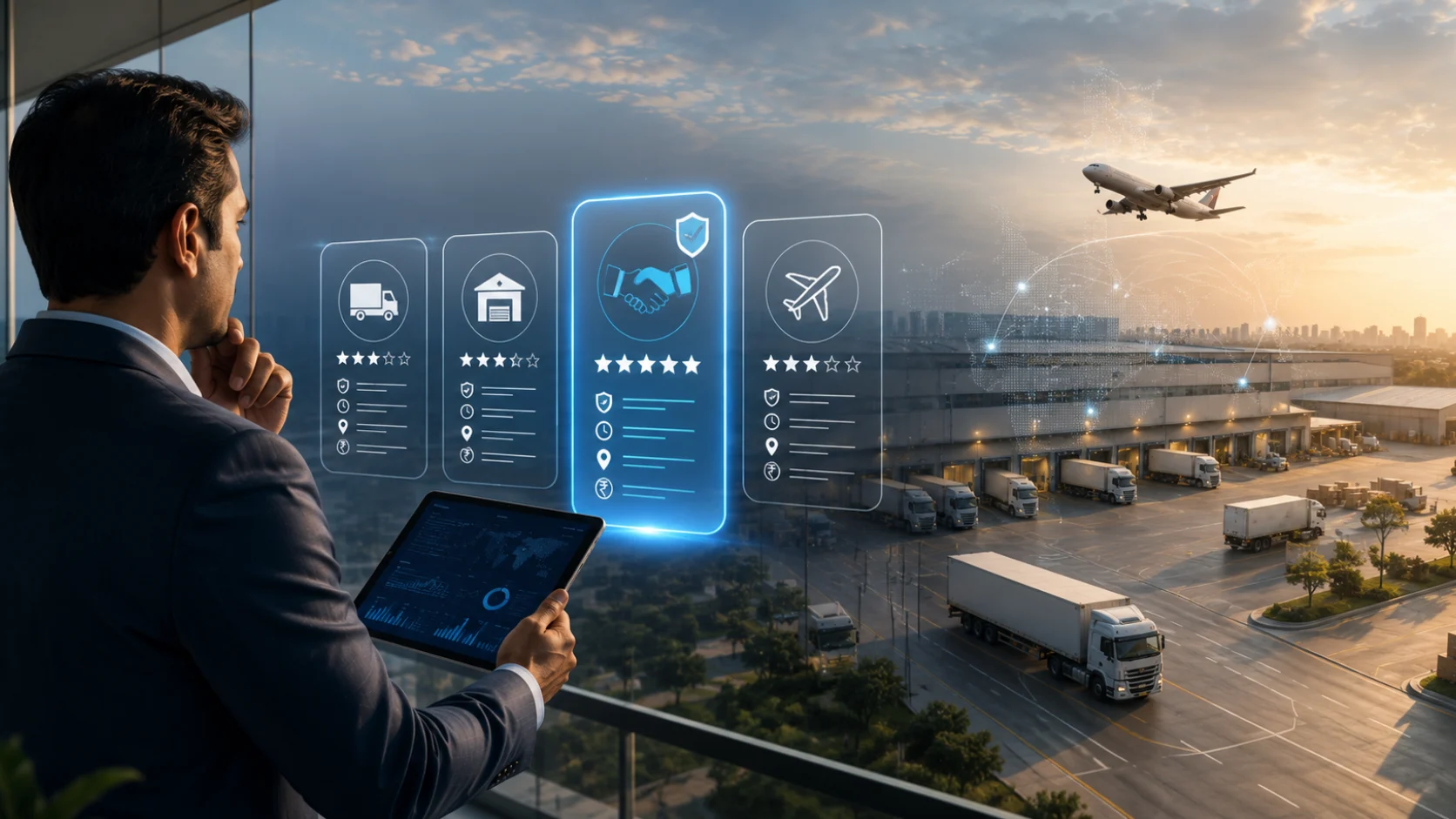
A third-party logistics (3PL) provider manages transportation, warehousing, and often technology and compliance on your behalf. Instead of owning assets, you pay for logistics as a service — scaling up or down based on actual shipment volume.
Cost Comparison: Where Each Model Wins
In-House Logistics Tends to Win When:
You have consistently high, predictable volume on fixed routes, where asset utilization stays high year-round
You're a large enterprise with the capital to invest in fleet and warehousing infrastructure
Full operational control (e.g., for highly regulated or proprietary handling processes) is a business requirement
Outsourcing to a 3PL Tends to Win When:
Your shipment volume fluctuates seasonally — 3PLs let you scale capacity up or down without owning idle assets
You need multimodal flexibility without building separate capabilities for each freight mode
You want to avoid capital lock-up in trucks and warehouses and instead convert logistics into a variable, predictable operating cost
Why Multimodal Flexibility Is a Bigger 2026 Cost Factor Than Ever
One of the clearest advantages of outsourcing is access to freight modes most businesses can't efficiently build in-house.
What is FTL?
Full Truck Load (FTL) dedicates an entire truck to your shipment — efficient for large, planned volumes but often impractical to manage in-house unless you have consistent scale on that exact route. A 3PL can offer FTL and PTL (Part Truck Load) interchangeably, matching the right option to each shipment rather than locking your business into one model regardless of volume.
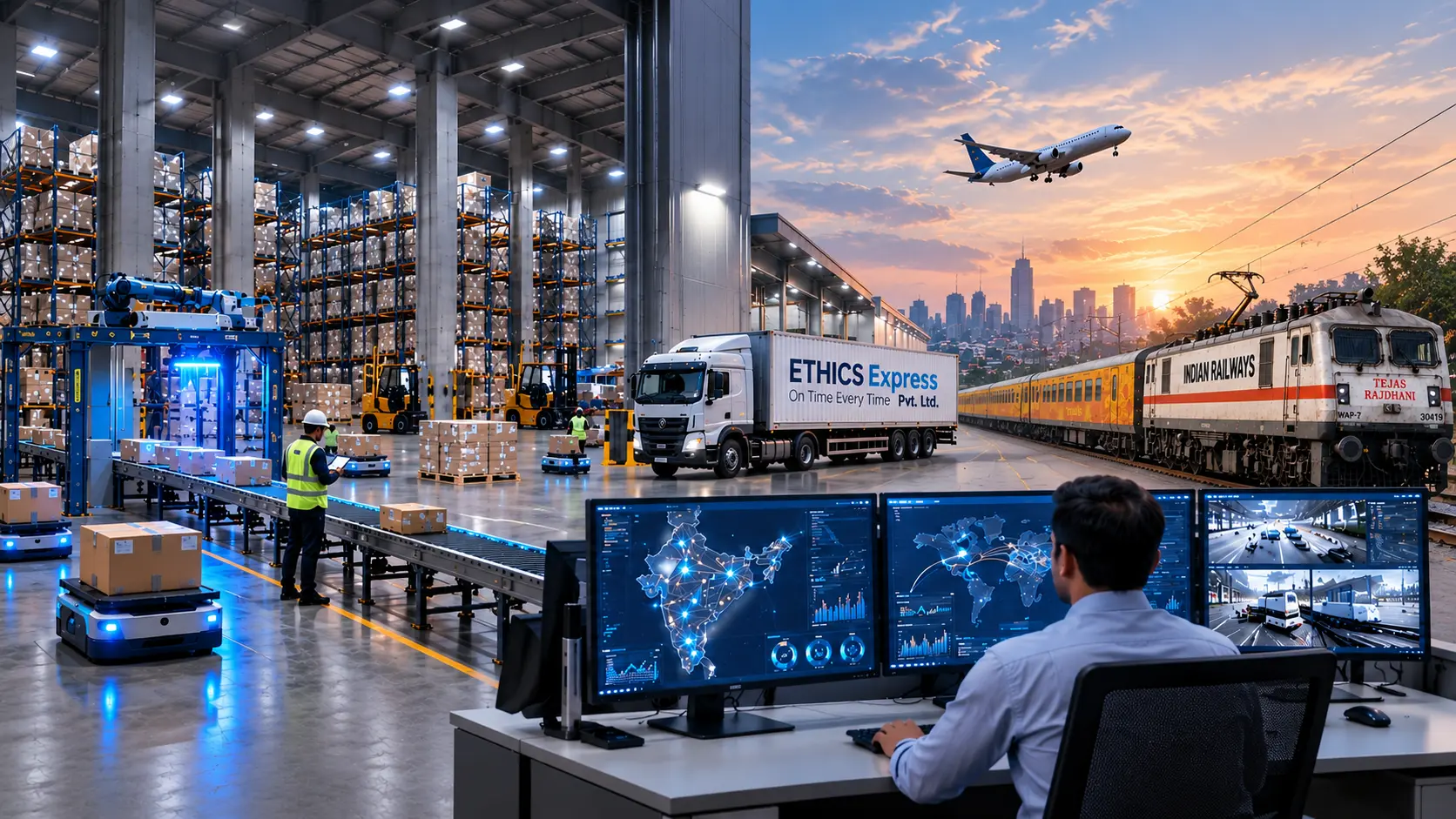
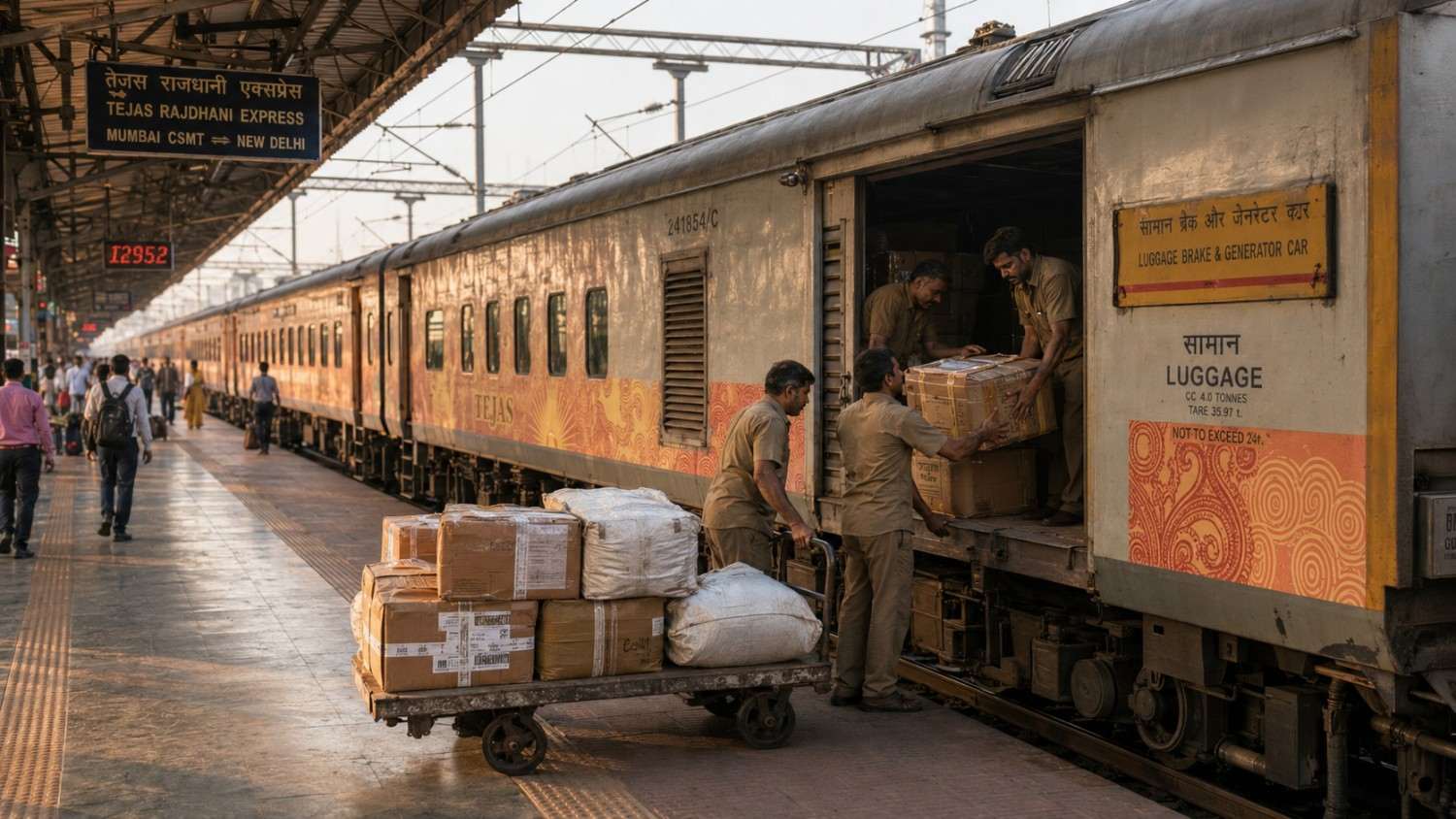
Comparing rail parcel vs road freight is another area where outsourcing tends to save money. Few in-house fleets have direct rail freight relationships, meaning bulk, long-distance shipments default to road transport even when it's the costlier option. A 3PL offering a dedicated rail parcel service on the Delhi to Mumbai corridor, for example, can shift eligible bulk shipments off road freight entirely, cutting per-unit transportation cost on that route.
Similarly, an air-to-air service for urgent shipments is rarely cost-effective to maintain in-house — most businesses only need it occasionally, making it a natural candidate to outsource rather than build.
Where This Matters Most: E-commerce and FMCG
Two sectors feel the in-house vs 3PL decision most acutely:
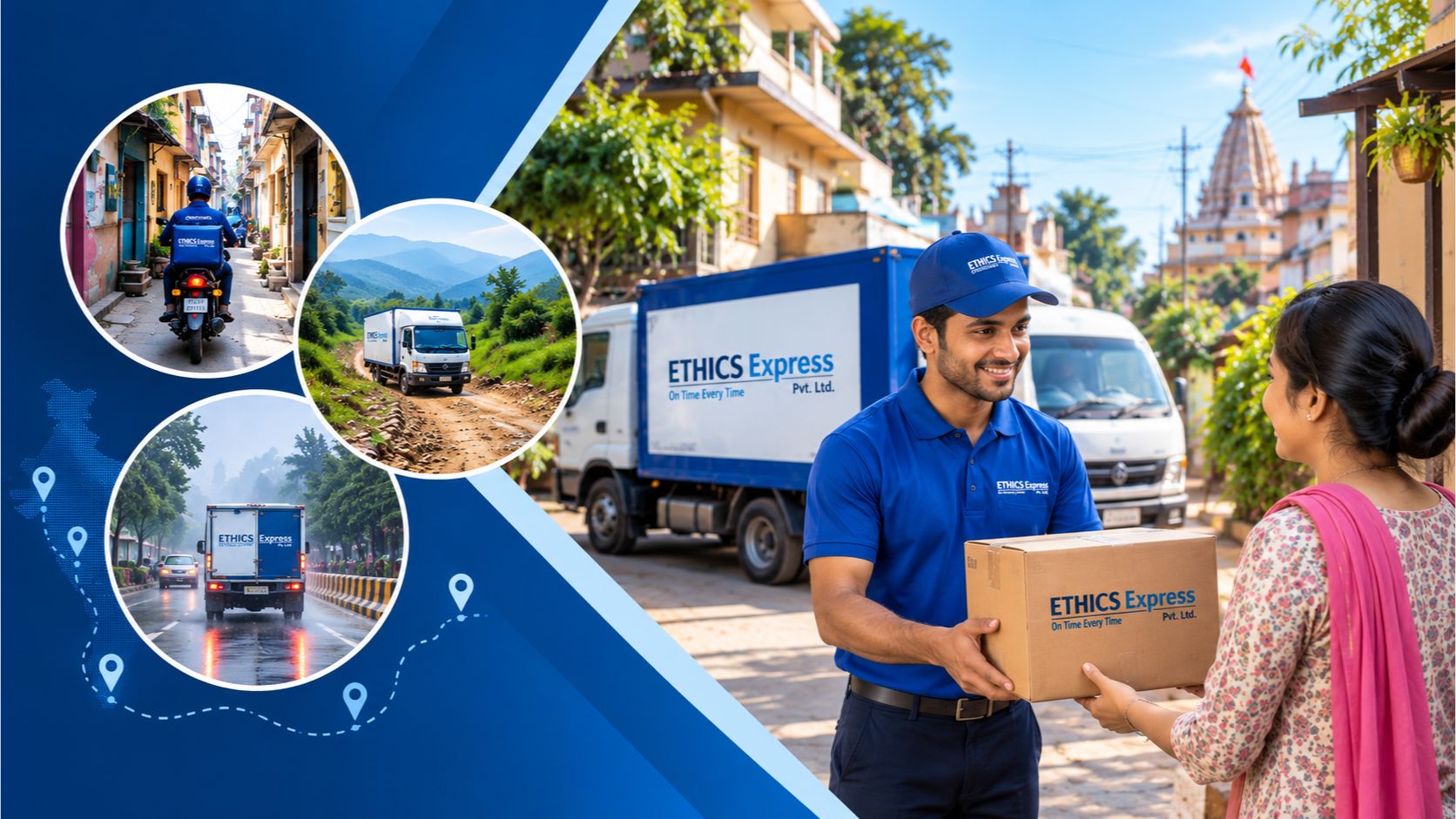
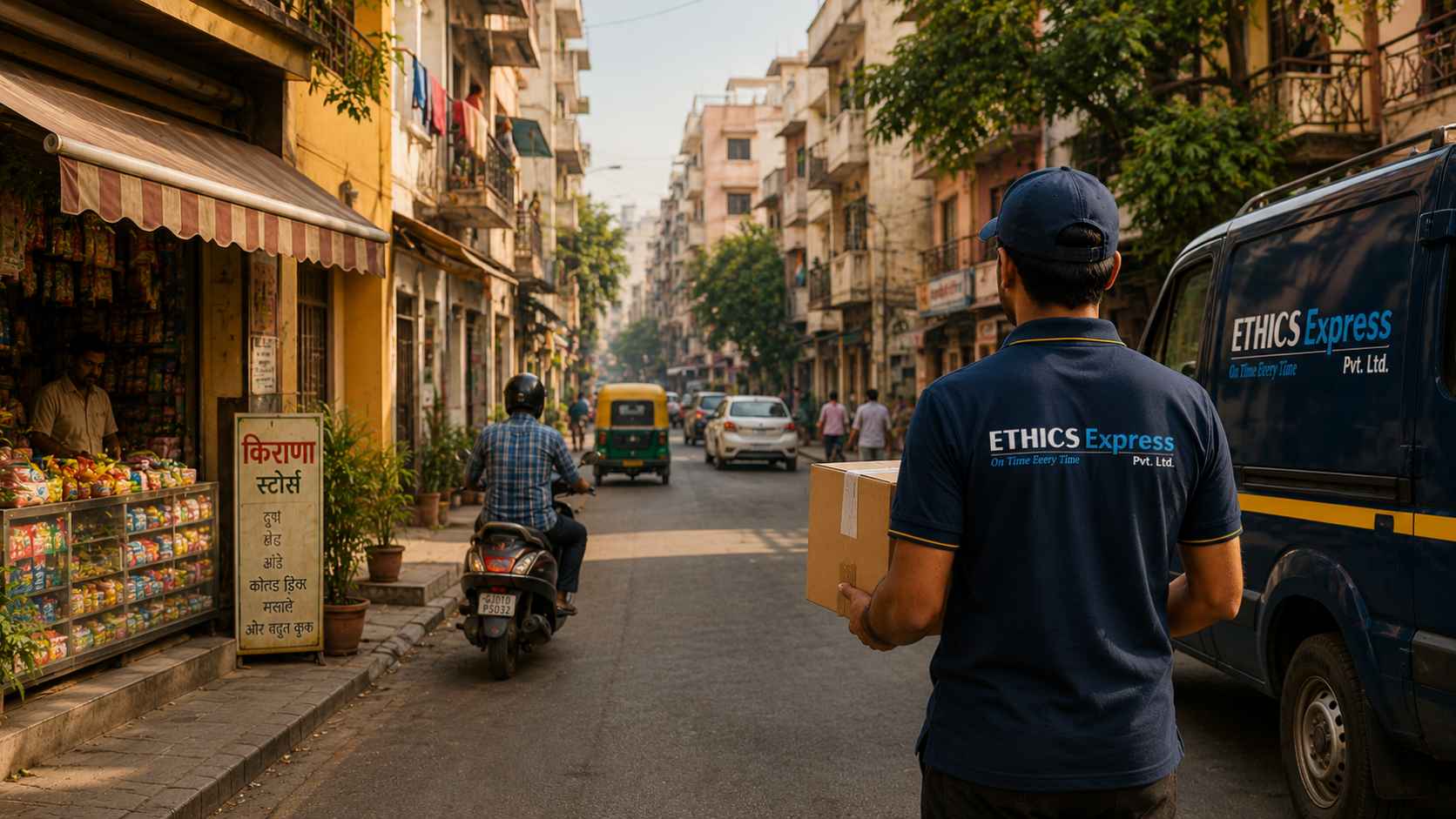
E-commerce logistics in India depends heavily on flexible, scalable last-mile delivery — a genuinely reliable door-to-door service across fragmented delivery addresses is difficult and expensive to build in-house, especially for businesses without existing nationwide infrastructure. Most growing e-commerce brands find that outsourcing this function to a 3PL is significantly cheaper than building an equivalent last-mile network from scratch.
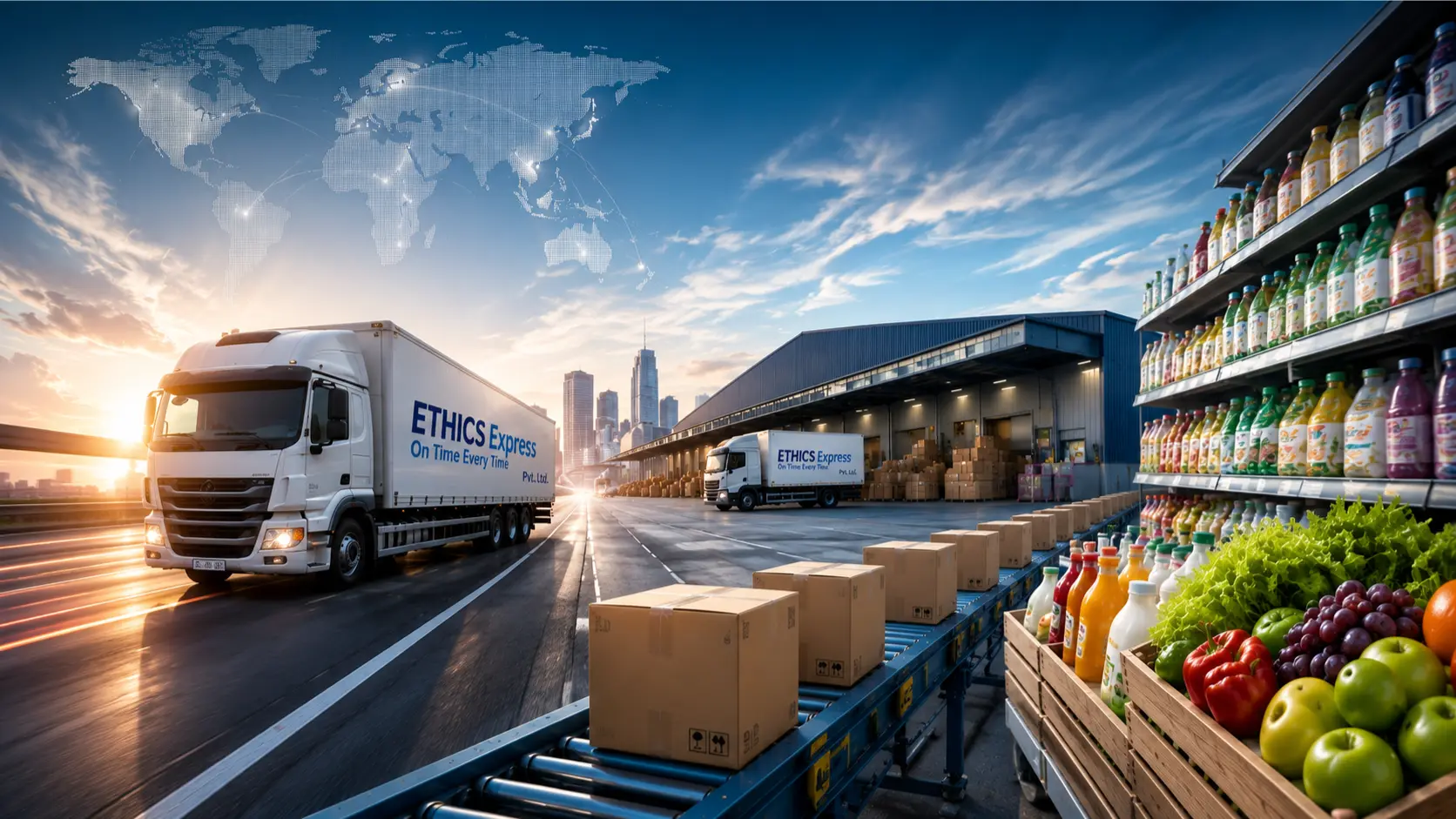
The FMCG supply chain faces a similar calculus, but with an added layer: shelf-life sensitivity. Many FMCG categories also require cold chain and GDP compliance, which demands specialized, temperature-controlled vehicles and storage — infrastructure most in-house fleets don't have and can't justify building for a portion of their product line. Outsourcing this to a 3PL with existing cold chain capability is almost always more cost-effective than building compliant infrastructure in-house.
A Simple Framework for 2026 Decision-Making
Ask these three questions:
Is your shipment volume stable and predictable, or seasonal and variable? Stable → in-house may be cost-competitive. Variable → 3PL scales better.
Do you need multimodal flexibility (FTL, PTL, rail, air, cold chain)? If yes, building all of these in-house is rarely cost-effective — outsourcing wins.
Is logistics your core competency, or a cost center supporting your core business? If it's not your core competency, a 3PL partner typically delivers better cost efficiency and service quality than an internally built team.
Many businesses in 2026 are landing on a hybrid model — keeping high-volume, predictable routes in-house while outsourcing multimodal, seasonal, or specialized (cold chain, last-mile) logistics to a 3PL partner.
Conclusion
The in-house logistics vs 3PL decision in 2026 comes down to volume predictability, the need for multimodal flexibility, and whether logistics is core to your business. For most companies — especially those managing e-commerce logistics in India or an FMCG supply chain with shelf-life pressure — outsourcing to a 3PL typically saves more, particularly when it comes to accessing FTL and PTL flexibility, rail parcel options like the Delhi-Mumbai corridor, air-to-air service, cold chain and GDP compliance, and reliable door-to-door delivery, without the capital investment of building it all in-house.
Ethics Express offers exactly this kind of 3PL flexibility — combining road freight (FTL/PTL), rail parcel service on the Delhi-Mumbai corridor, air-to-air service, cold chain and GDP-compliant handling, and nationwide door-to-door delivery, so you can scale logistics without the fixed costs of building it yourself. If you're weighing in-house logistics vs outsourcing for 2026, we're happy to help you run the numbers.
Get a logistics quote from Ethics Express →