19 August 2026
/8 min read
E-commerce Logistics in India: How to Handle Last-Mile Delivery at Scale
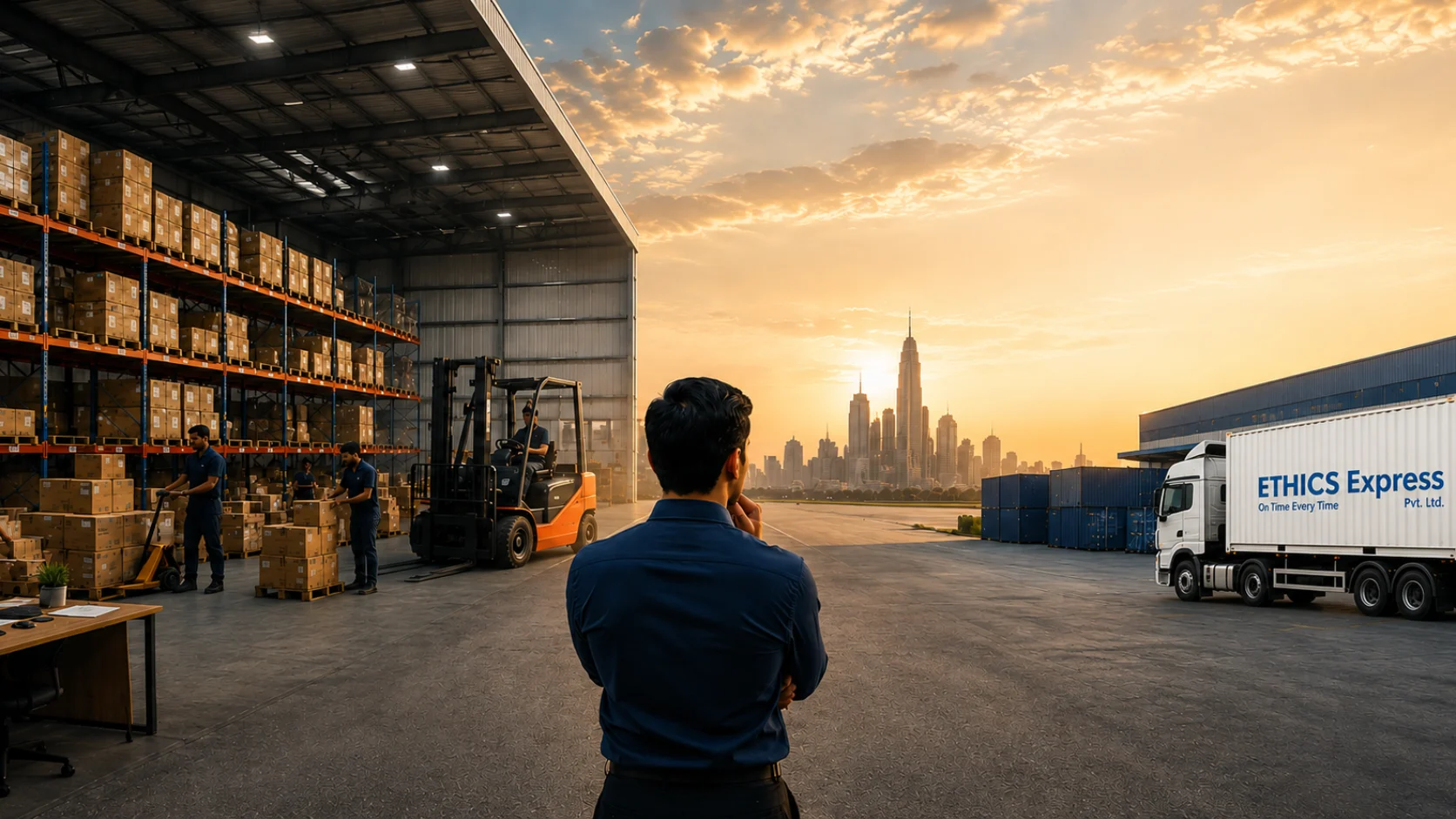
India's e-commerce boom has created one of the most demanding logistics environments in the world. Millions of individual parcels move daily to homes, offices, and pickup points across cities, towns, and increasingly, rural pin codes. For e-commerce businesses, e-commerce logistics in India isn't just about moving inventory from a warehouse to a hub anymore — it's about solving the hardest, most expensive leg of the journey: last-mile delivery, at scale, without breaking cost or speed promises.
This guide breaks down how e-commerce businesses can structure their logistics — from bulk inventory movement to final doorstep delivery — to handle scale without sacrificing reliability.
Why Last-Mile Delivery Is the Hardest Part of E-commerce Logistics
Moving bulk inventory between warehouses is relatively predictable. Last-mile delivery is not. It involves:
Thousands of individual delivery addresses, often in dense urban areas or hard-to-reach rural locations
High customer expectations for speed, real-time tracking, and delivery windows
Reverse logistics — returns and exchanges are a built-in part of e-commerce, not an exception
Cost pressure — last-mile delivery is typically the most expensive segment of the entire supply chain per shipment
Solving this at scale requires a logistics strategy that blends multiple freight modes rather than relying on one.
Building the Right Freight Mix for E-commerce Scale
1. Bulk Inventory Movement: FTL vs PTL
Before a product ever reaches the last mile, it needs to move from manufacturing or a central warehouse to regional fulfillment centers. This is where FTL and PTL decisions matter most.
What is FTL?
Full Truck Load (FTL) dedicates an entire truck to a single shipment — ideal for e-commerce businesses moving large, planned inventory volumes between warehouses ahead of peak sale seasons.
For smaller or more frequent replenishment shipments, PTL (Part Truck Load) allows businesses to share truck space, keeping costs down without needing to wait until a full truckload is ready to dispatch. Choosing correctly between FTL and PTL based on shipment volume is one of the simplest ways e-commerce businesses can control inbound logistics costs.
2. Long-Distance Bulk Movement: Rail Parcel vs Road Freight
For e-commerce companies distributing inventory across major metro corridors, comparing rail parcel vs road freight can significantly cut costs. A rail parcel service on the Delhi to Mumbai corridor, for example, is well suited to moving large, planned inventory batches between two of India's biggest e-commerce demand hubs — freeing up road transport capacity for more time-sensitive, shorter-notice shipments.
Road freight, meanwhile, remains essential for routes without direct rail connectivity or where flexible, smaller-volume movement is needed closer to delivery deadlines.
3. Speed-Critical Shipments: Air-to-Air Service
For urgent restocks, cross-country express orders, or high-value items where delay isn't an option, an air-to-air service provides the fastest possible transit between major cities. While it comes at a premium compared to rail or road, it's a valuable tool for e-commerce businesses managing flash sales, festive demand spikes, or premium next-day delivery promises.
4. The Final Leg: Door-to-Door Service
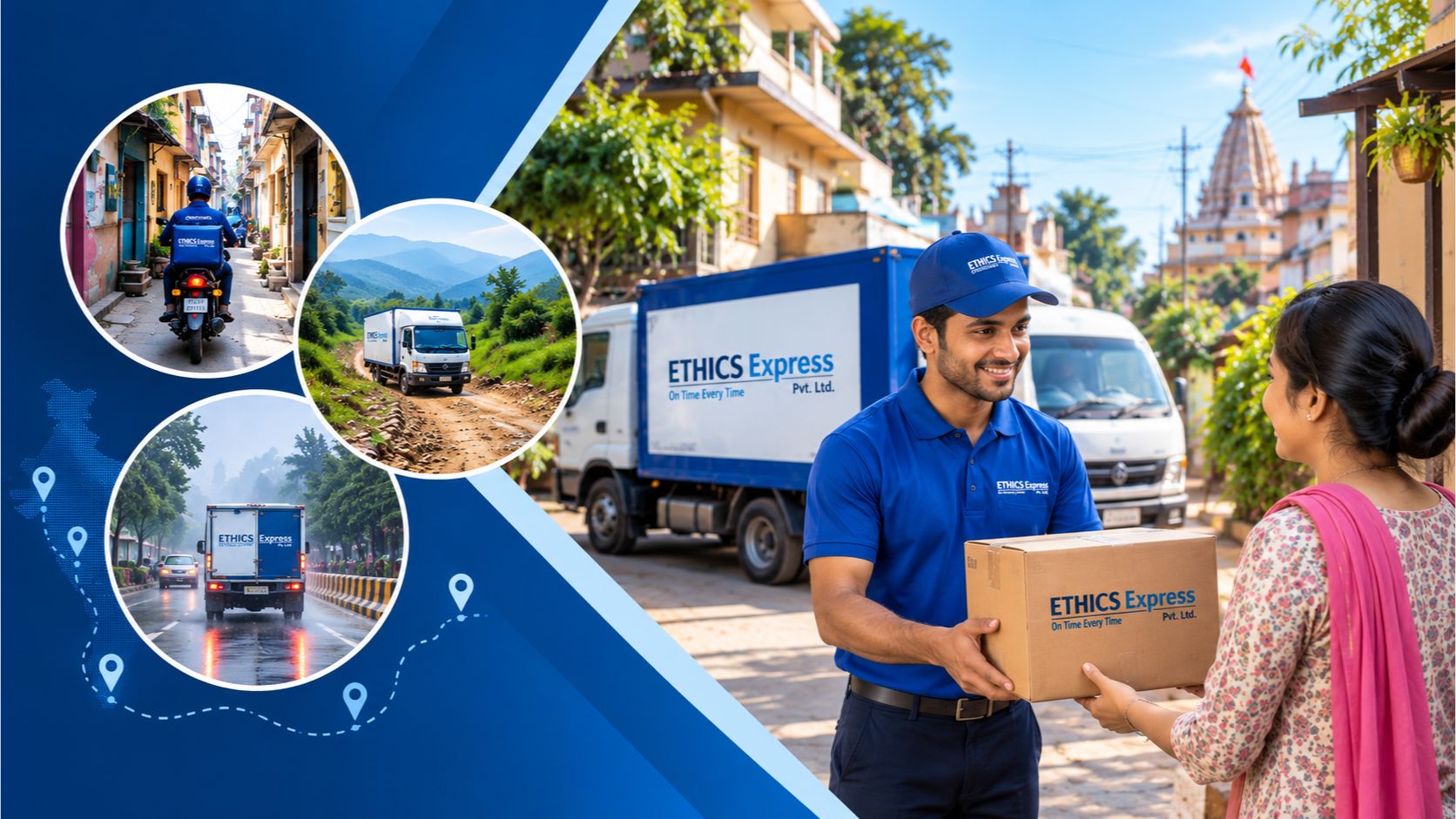
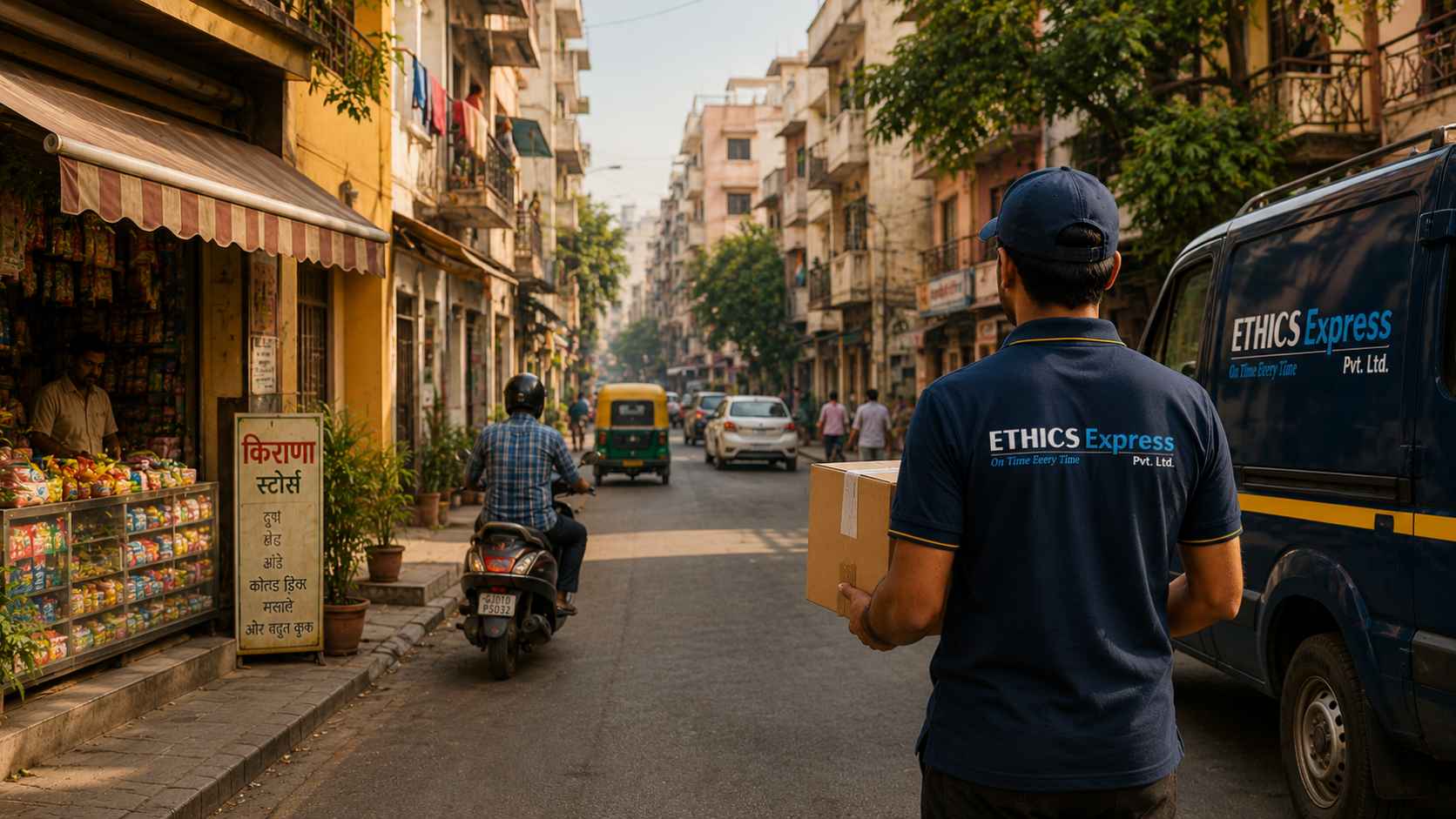
Everything above eventually funnels into the same final step: getting the parcel to the customer's doorstep. A reliable door-to-door service ensures the last mile is handled without unnecessary transfers or delays, which is where most delivery failures — late arrivals, damaged parcels, missed delivery windows — actually happen.
E-commerce businesses should evaluate last-mile partners specifically on their door-to-door track record, not just their overall network size, since this is the segment customers actually experience.
Handling Temperature-Sensitive E-commerce Categories
E-commerce isn't limited to apparel and electronics — categories like gourmet food, skincare, and health products are growing fast, and many require cold chain and GDP compliance to avoid spoilage or degradation in transit. E-commerce businesses selling these categories need logistics partners who can maintain temperature control from warehouse through to last-mile delivery, not just standard-category providers who lack cold chain infrastructure.
Managing Returns and Reverse Logistics
Unlike traditional retail, e-commerce operates with a built-in expectation of returns. A scalable logistics strategy needs to account for reverse logistics from day one — including pickup scheduling, quality inspection, and restocking — rather than treating it as an afterthought. Poor reverse logistics handling directly increases operating costs and damages customer trust.
How to Choose a Logistics Partner for E-commerce at Scale
When evaluating a logistics partner for e-commerce, look for:
Multimodal capability — the ability to combine FTL, PTL, rail parcel, air-to-air, and door-to-door service under one plan
Nationwide last-mile reach, including Tier 2 and Tier 3 cities
Real-time tracking for both the business and end customers
Reverse logistics support for returns management
Cold chain and GDP compliance where product categories require it
Conclusion
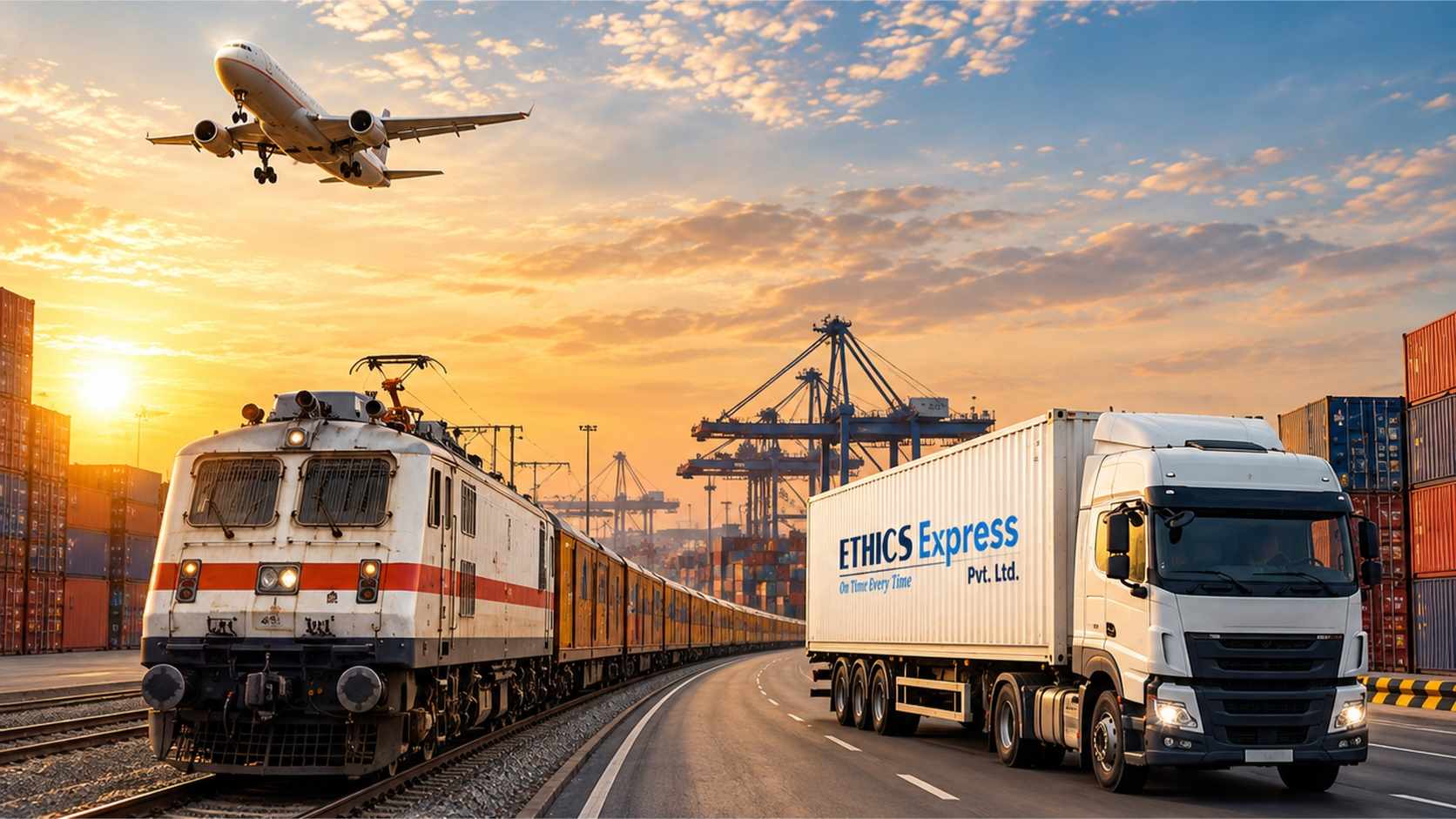
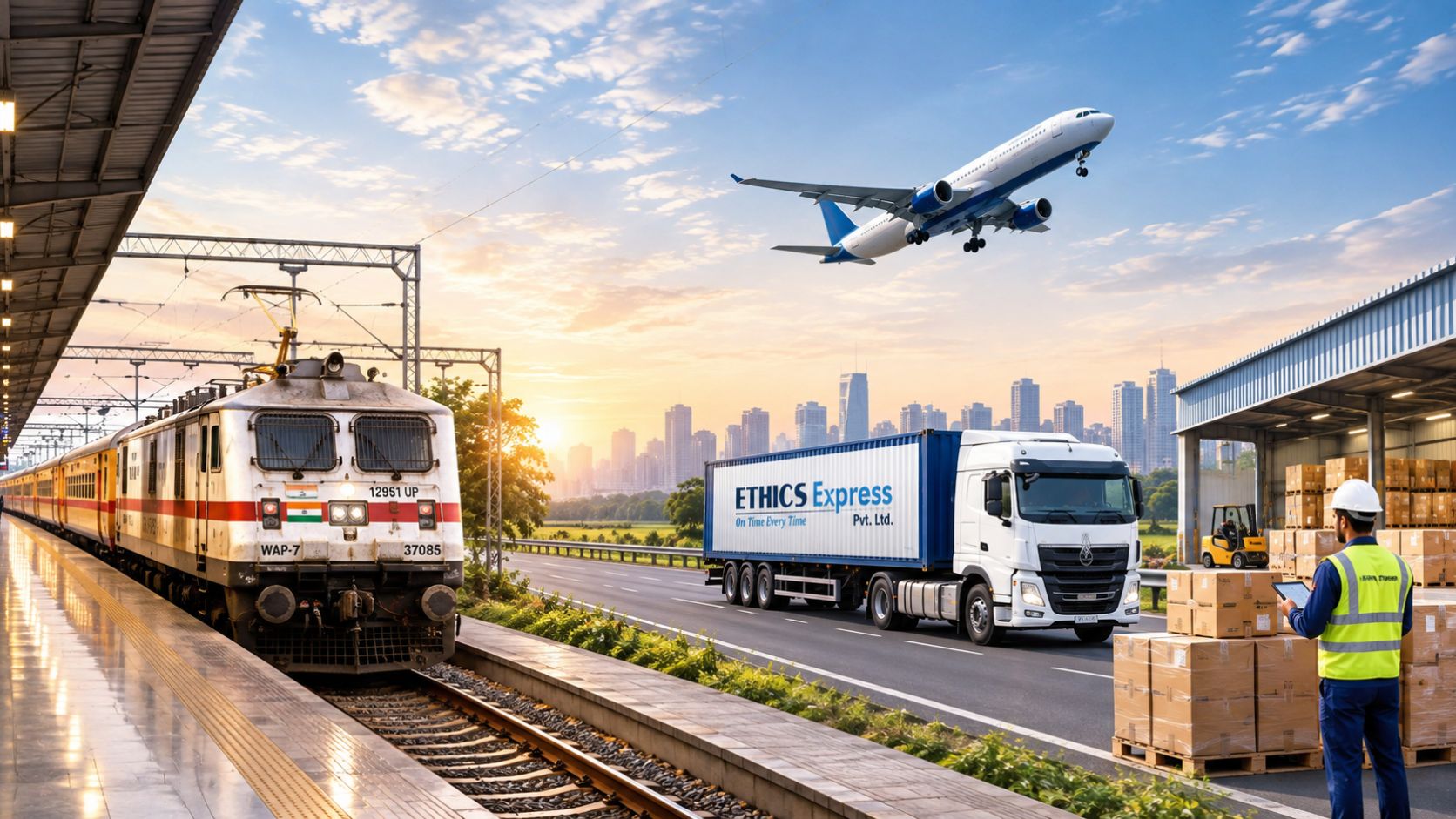
Scaling e-commerce logistics in India means designing a logistics strategy around multiple freight modes, not a single one. Bulk inventory movement benefits from smart use of FTL and PTL and rail parcel options like the Delhi to Mumbai corridor, urgent restocks are best served by air-to-air service, and the customer-facing last mile depends entirely on a dependable door-to-door service.
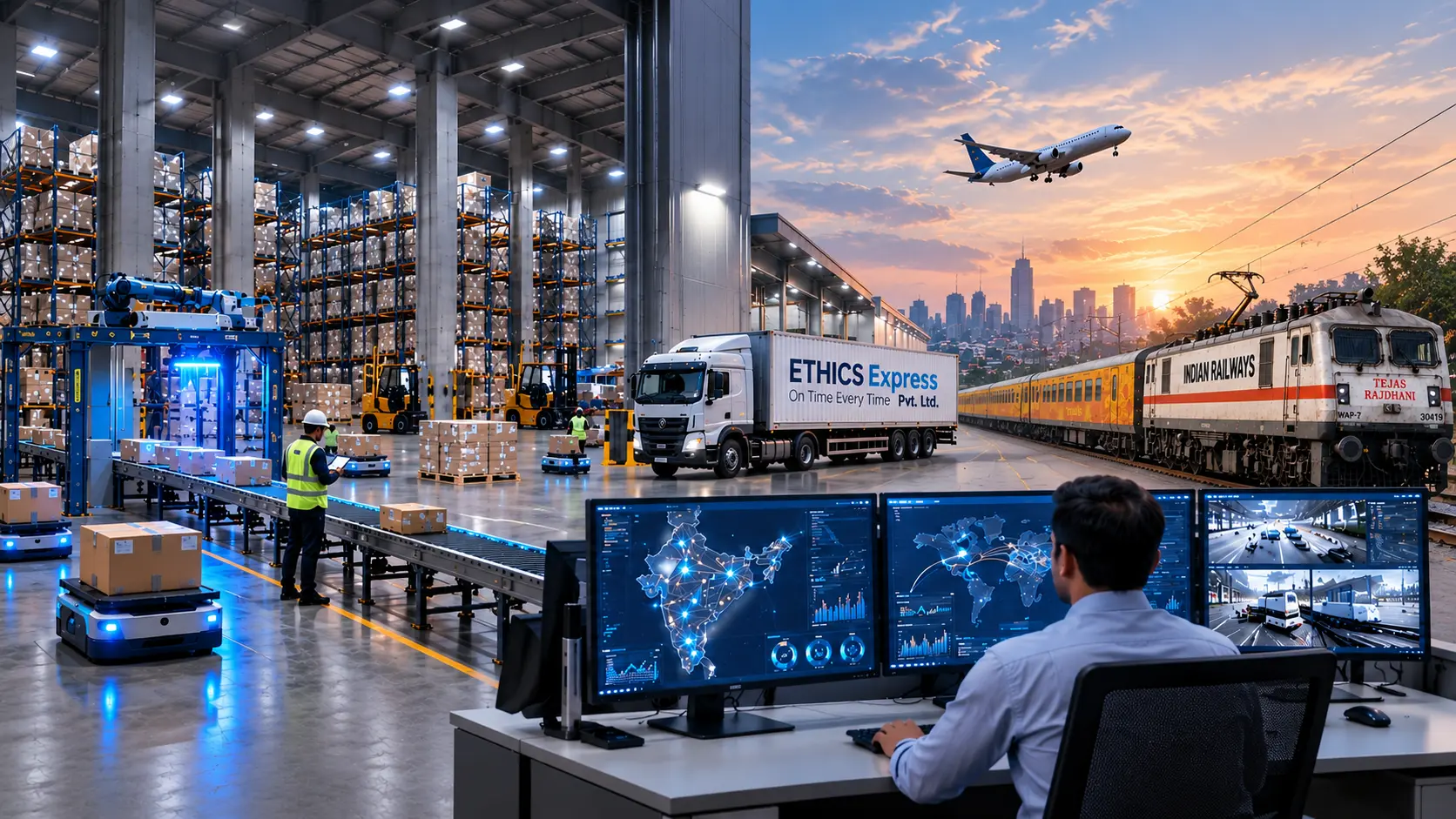
Ethics Express helps e-commerce businesses build exactly this kind of scalable, multimodal logistics network — combining rail parcel service on the Delhi-Mumbai corridor, FTL/PTL road freight, air-to-air service for urgent shipments, and reliable door-to-door delivery, with cold chain and GDP-compliant handling available for temperature-sensitive product categories. If you're scaling e-commerce operations and need a logistics partner who can keep pace, we're ready to help.