09 September 2026
/6 min read
Top Logistics Technology Trends to Watch in 2026
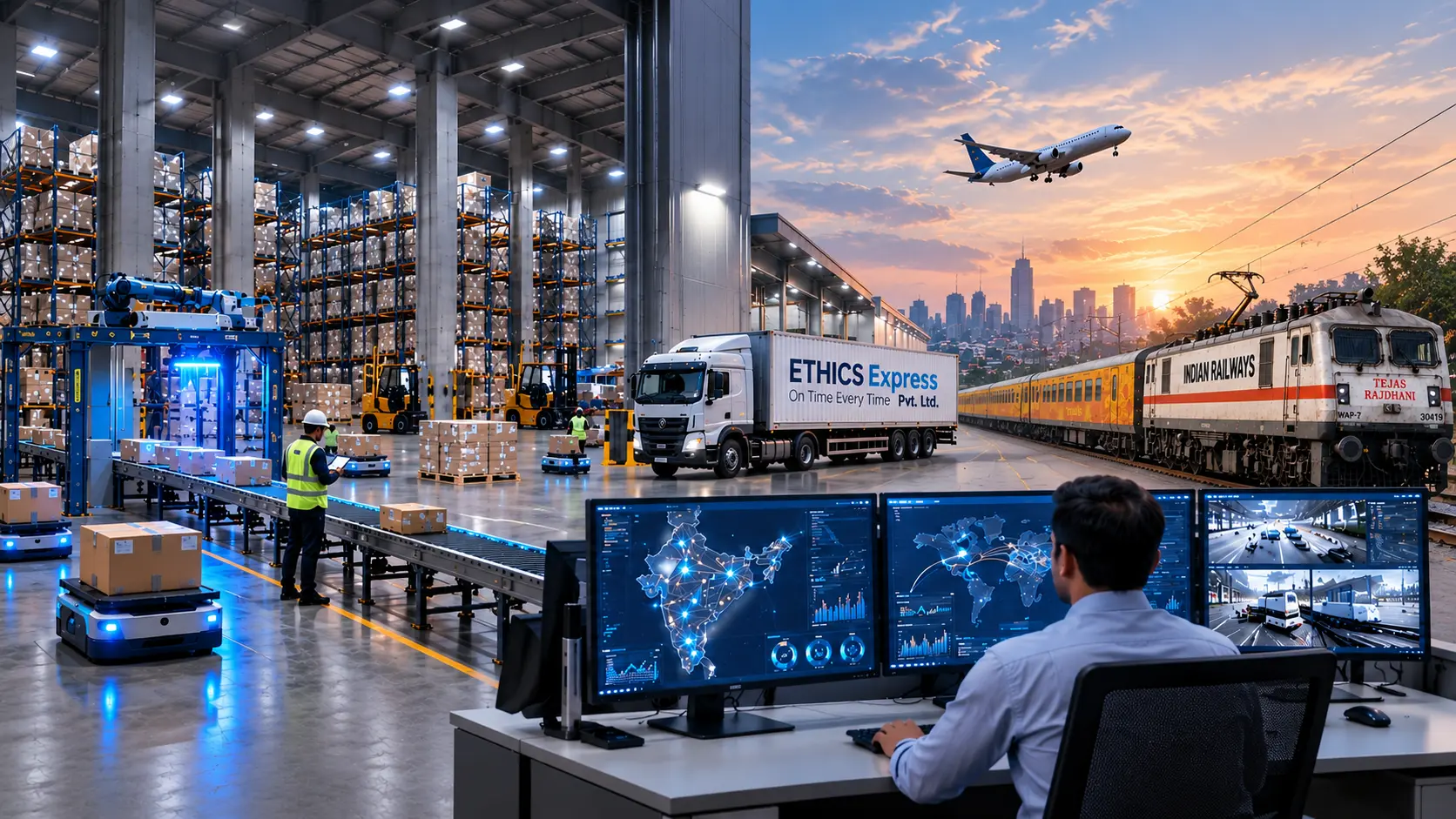
Logistics in 2026 looks nothing like it did even five years ago. Real-time visibility, automation, and smarter freight-mode decisions have moved from "nice to have" to baseline expectations for shippers and customers alike. Businesses that keep pace with these logistics technology trends are cutting costs, reducing delays, and building supply chains that can flex with demand — while those that don't are increasingly left competing on price alone.
This guide walks through the technology trends actually reshaping Indian logistics in 2026, and what they mean for how you move freight — whether that's choosing between FTL and PTL, comparing rail parcel vs road freight, or managing a temperature-sensitive shipment.
1. Real-Time Tracking and End-to-End Visibility
The single biggest shift in logistics technology has been the move from "delivery confirmation at the end" to full, real-time visibility throughout transit. Shippers and customers alike now expect to track a shipment at every stage — from pickup through the final door-to-door service — rather than waiting for a delivery notification.
This matters most for e-commerce logistics in India, where customers expect live tracking as a default feature, not a premium add-on. Businesses without real-time visibility technology are increasingly at a competitive disadvantage on customer experience alone.
2. AI-Driven Freight Mode Optimization
One of the more practical technology trends in 2026 is the use of AI and predictive analytics to automatically recommend the optimal freight mode for each shipment — rather than defaulting to whatever mode a business has always used.
For example, software can now factor in shipment volume, urgency, and route to recommend whether rail parcel vs road freight makes more financial sense, or whether a shipment qualifies for a more efficient rail parcel service on the Delhi to Mumbai corridor instead of defaulting to road transport. Similarly, algorithms can flag when a shipment's size and timeline make it a better fit for FTL and PTL instead of a single default option.
What is FTL, in this context, becomes less of a manual decision and more of a system-recommended choice — Full Truck Load (FTL) gets automatically suggested for large, planned volumes, while smaller or split shipments get routed to PTL, optimizing cost without manual analysis each time.
3. IoT-Enabled Cold Chain Monitoring
For temperature-sensitive shipments, Internet of Things (IoT) sensors have become a critical 2026 technology trend. These sensors provide continuous, real-time temperature and humidity data throughout transit, which is essential for maintaining cold chain and GDP compliance in pharma, dairy, and other perishable categories.
Rather than relying on manual spot-checks, IoT-enabled cold chain monitoring now allows logistics providers to catch temperature excursions immediately and take corrective action before an entire shipment is compromised — a major advancement for industries like the FMCG supply chain, where shelf-life-sensitive products are especially vulnerable to transit conditions.
4. Automation in Warehousing
Warehouse automation — from automated sorting systems to robotics-assisted picking — continues to expand in 2026, reducing manual handling time and errors. For businesses managing high shipment volumes, particularly in e-commerce and FMCG, automated warehousing directly improves order accuracy and turnaround speed, which flows through to faster last-mile delivery.
5. Digital Freight Booking and Instant Quoting
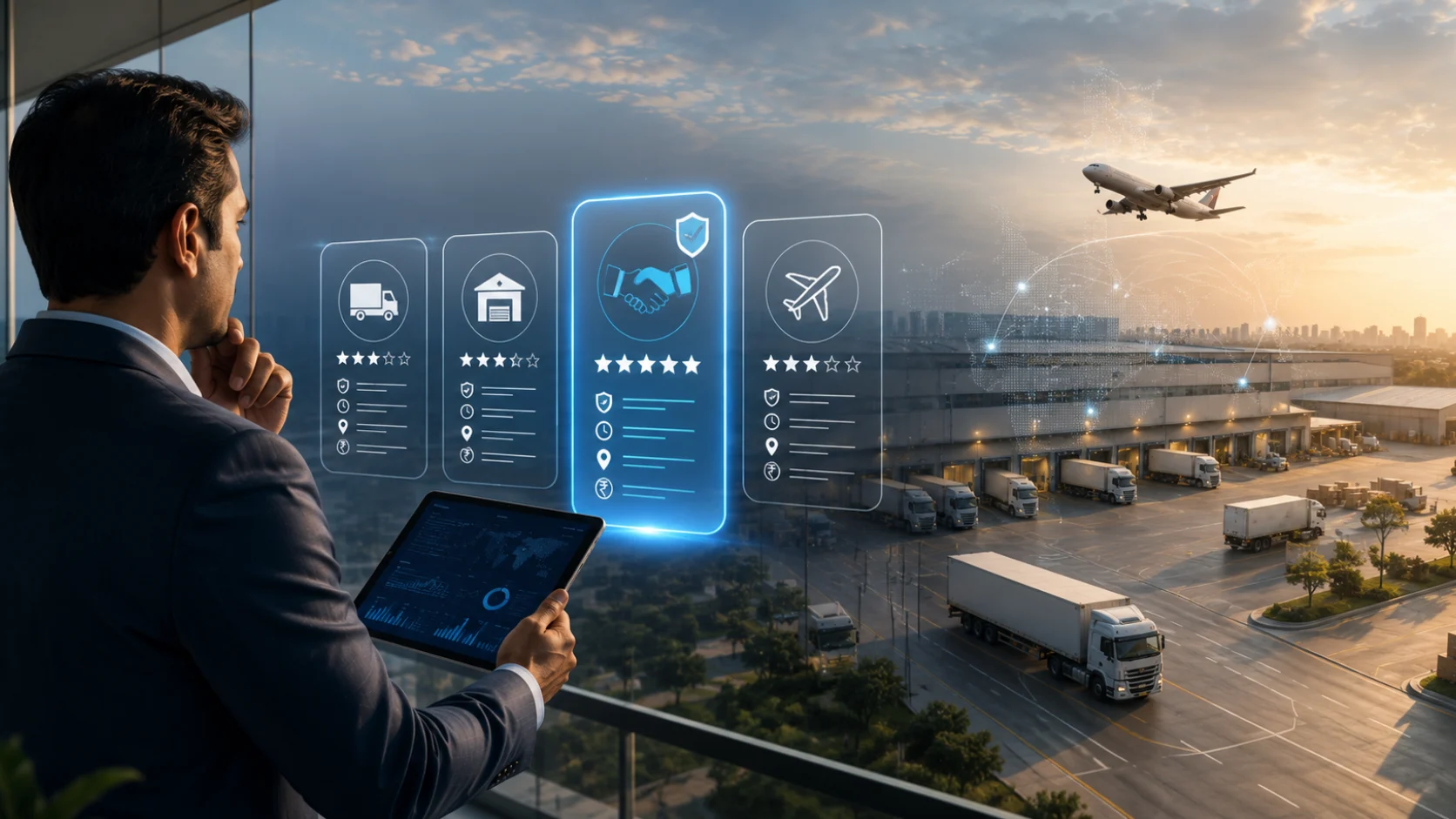
Manual freight quoting — calling a provider, waiting for a quote, negotiating rates — is being replaced by digital platforms that generate instant, transparent pricing based on shipment details. This trend particularly benefits businesses comparing options like air-to-air service for urgent shipments against standard road or rail options, letting them make faster, data-backed decisions instead of waiting on manual quotes.
6. Predictive Demand and Capacity Planning
Logistics providers are increasingly using predictive analytics to forecast demand spikes — such as festive season surges in e-commerce logistics in India — and pre-position capacity accordingly. This reduces the scramble for truck or rail space during peak periods and helps businesses avoid last-minute cost premiums.
7. Sustainability and Green Logistics Technology
Fuel-efficiency tracking, route optimization to reduce empty runs, and a gradual shift toward electric and CNG vehicles are becoming standard technology investments in 2026, driven both by regulatory pressure and customer demand for lower-emission delivery options.
8. Integrated ERP and CRM Connectivity
Logistics technology is increasingly expected to plug directly into a business's existing ERP and CRM systems, rather than operating as a standalone tool. This integration allows businesses to see shipment status, costs, and delivery performance directly within the systems they already use to manage orders and customer relationships, reducing manual reconciliation work.
What These Trends Mean for Your Business in 2026
The common thread across all of these trends is less manual guesswork, more data-driven decisions — whether that's choosing between FTL and PTL, deciding when a rail parcel service beats road freight, or catching a cold chain compliance issue before it becomes a spoiled shipment. Businesses that adopt logistics partners using these technologies are better positioned to control costs and maintain service quality as they scale.
Conclusion
The logistics technology trends defined in 2026 — real-time visibility, AI-driven freight mode optimization, IoT cold chain monitoring, warehouse automation, digital quoting, predictive capacity planning, sustainability tech, and ERP integration — are reshaping how businesses ship, store, and track goods across India. Staying ahead of these trends isn't optional anymore for businesses managing e-commerce logistics in India or an FMCG supply chain with tight shelf-life margins.
Ethics Express builds these technologies directly into how we operate — from real-time tracking across our rail parcel service on the Delhi-Mumbai corridor and air-to-air service, to IoT-enabled cold chain and GDP compliance monitoring and digital freight booking for FTL and PTL road transport. If you want a logistics partner built around where the industry is headed in 2026, we're ready to talk.
Get a logistics quote from Ethics Express →